Black and white and full of nuts

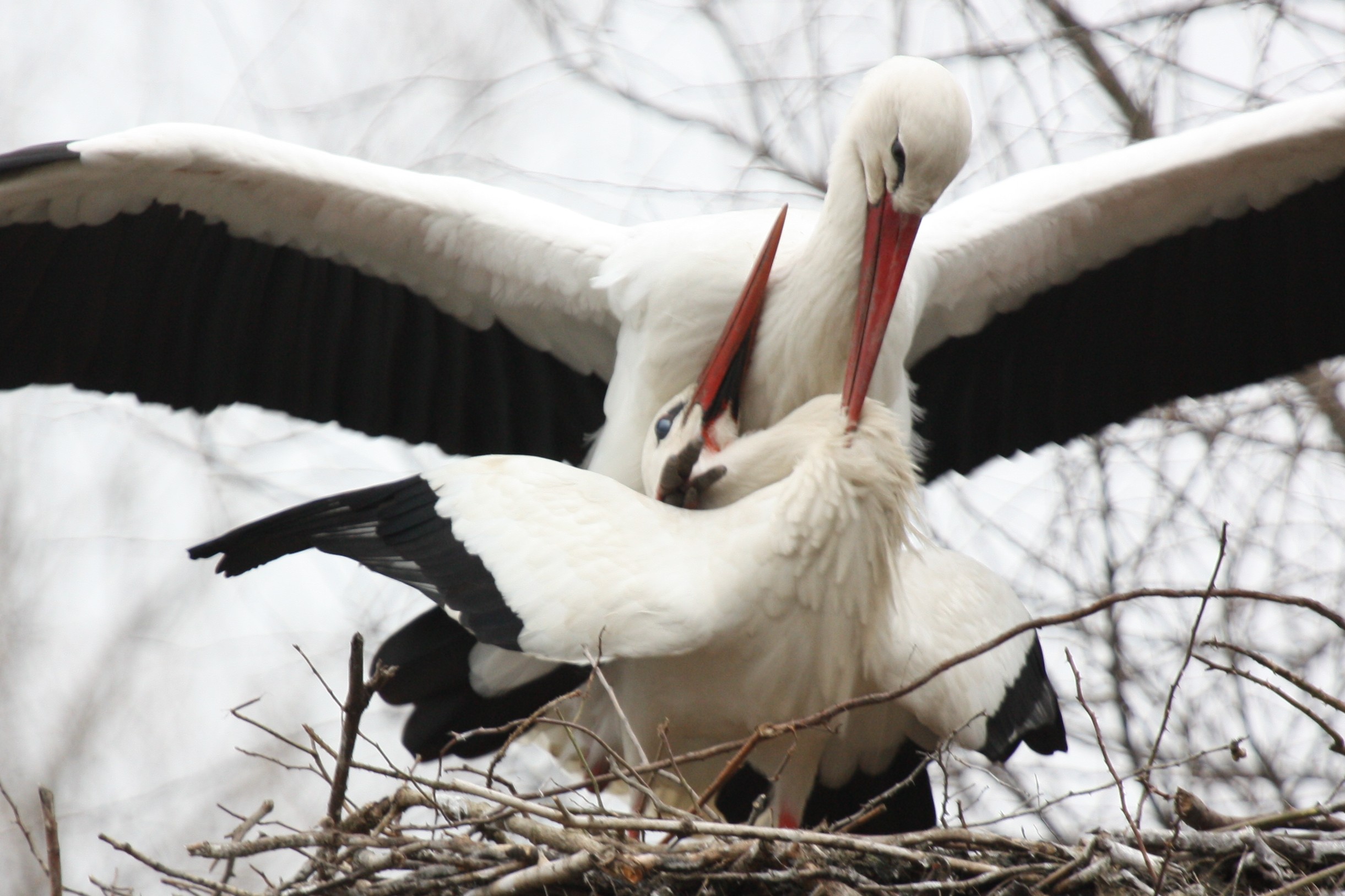
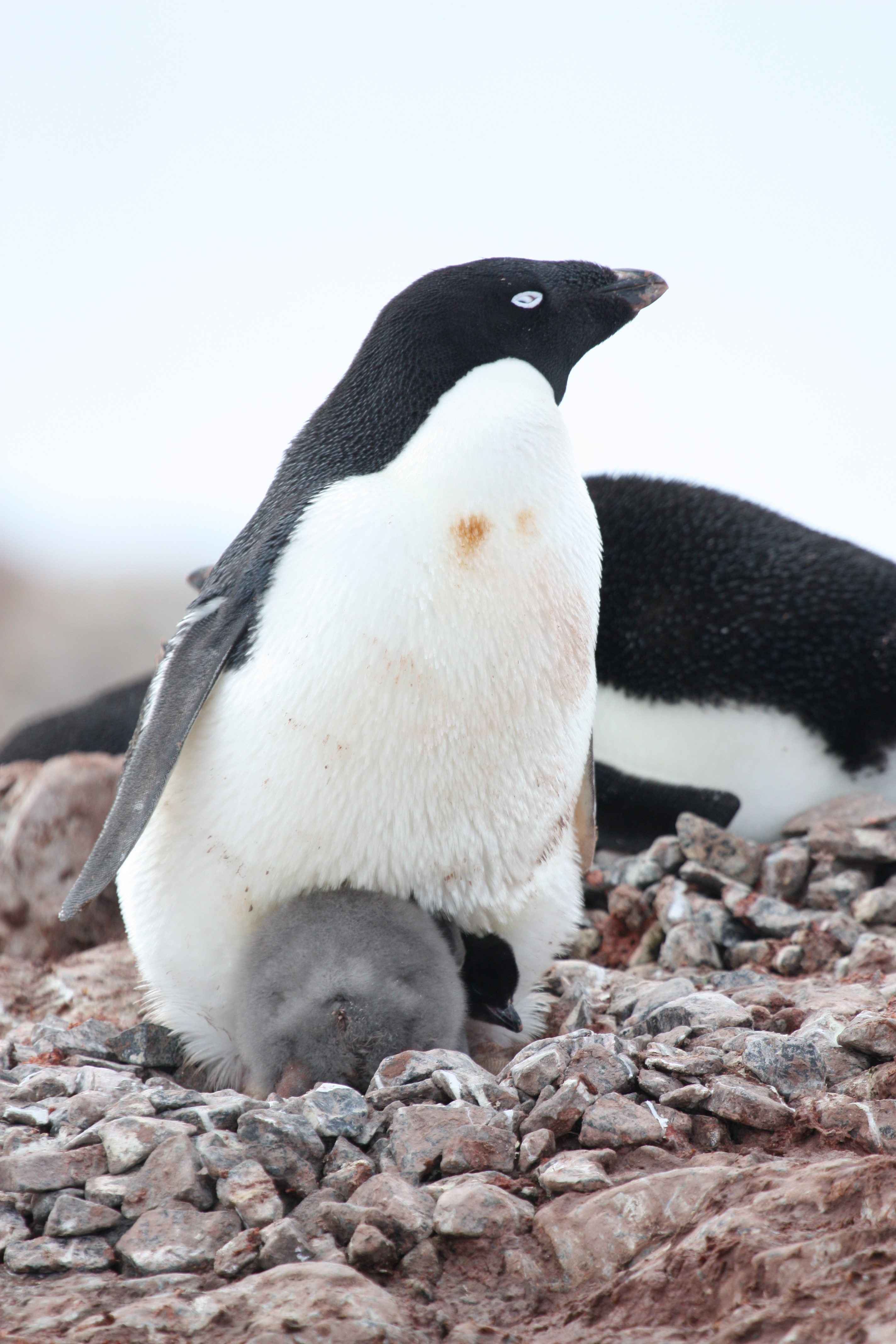
All the best animals, of course, are black and white:

penguin

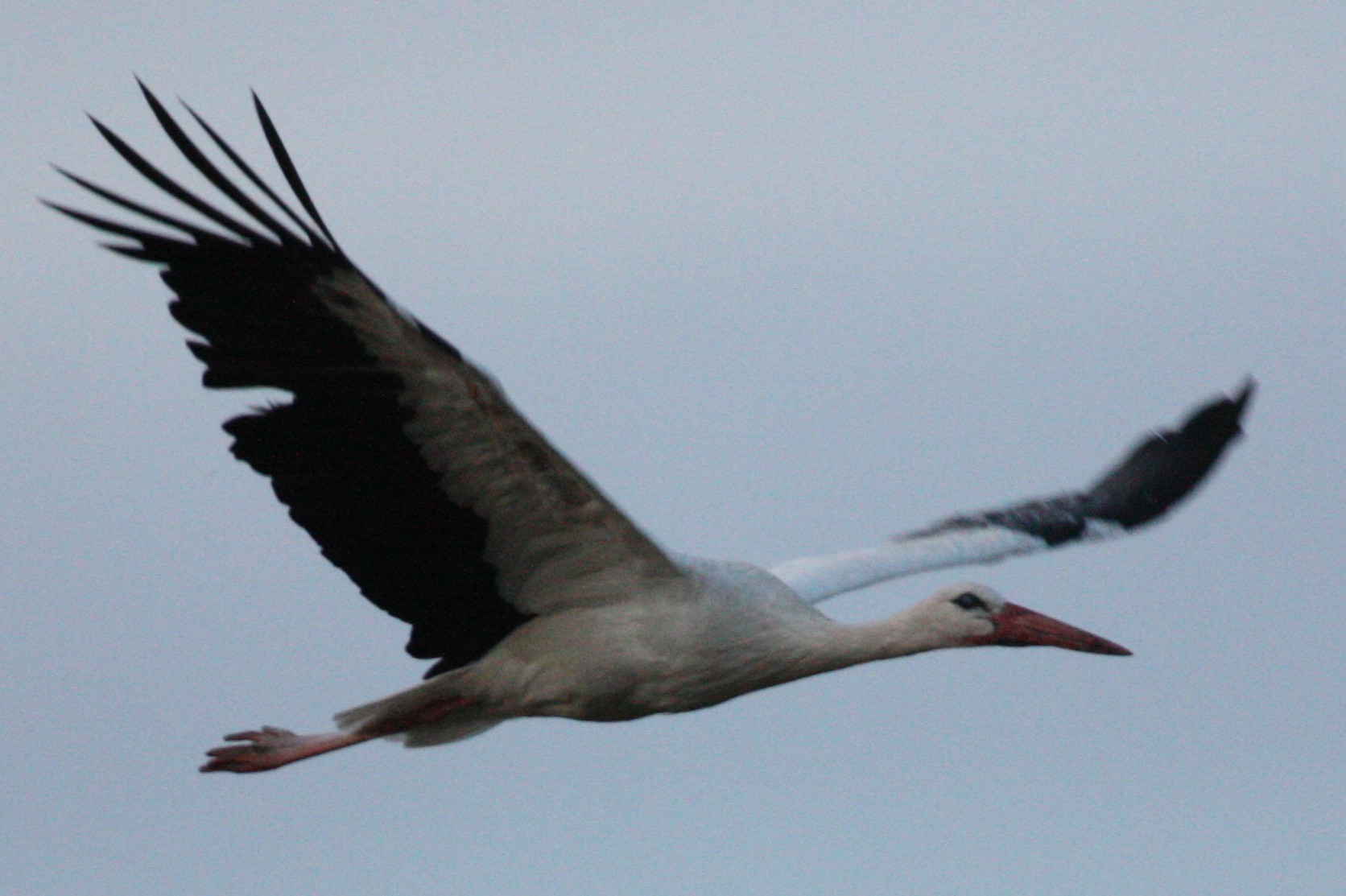
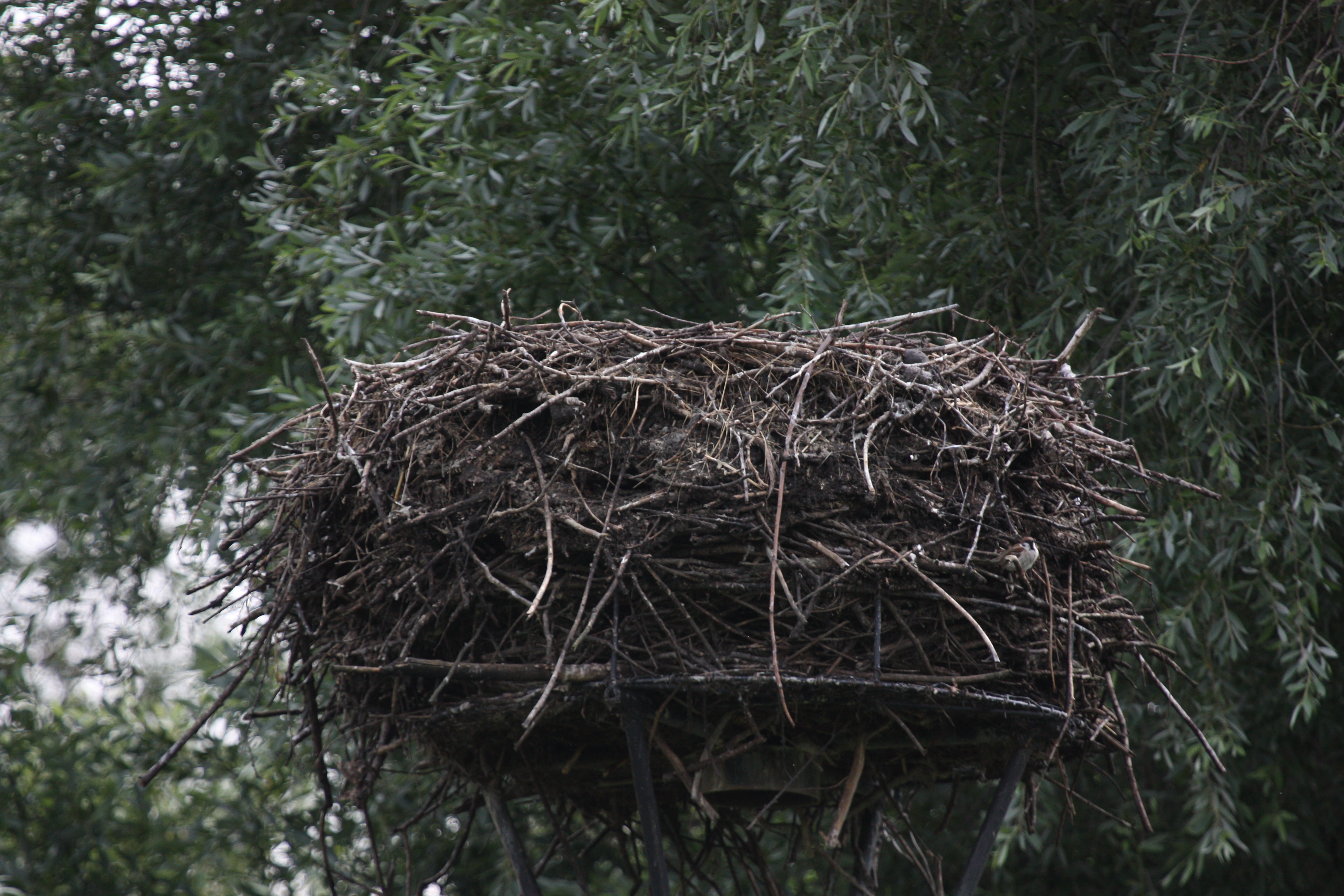
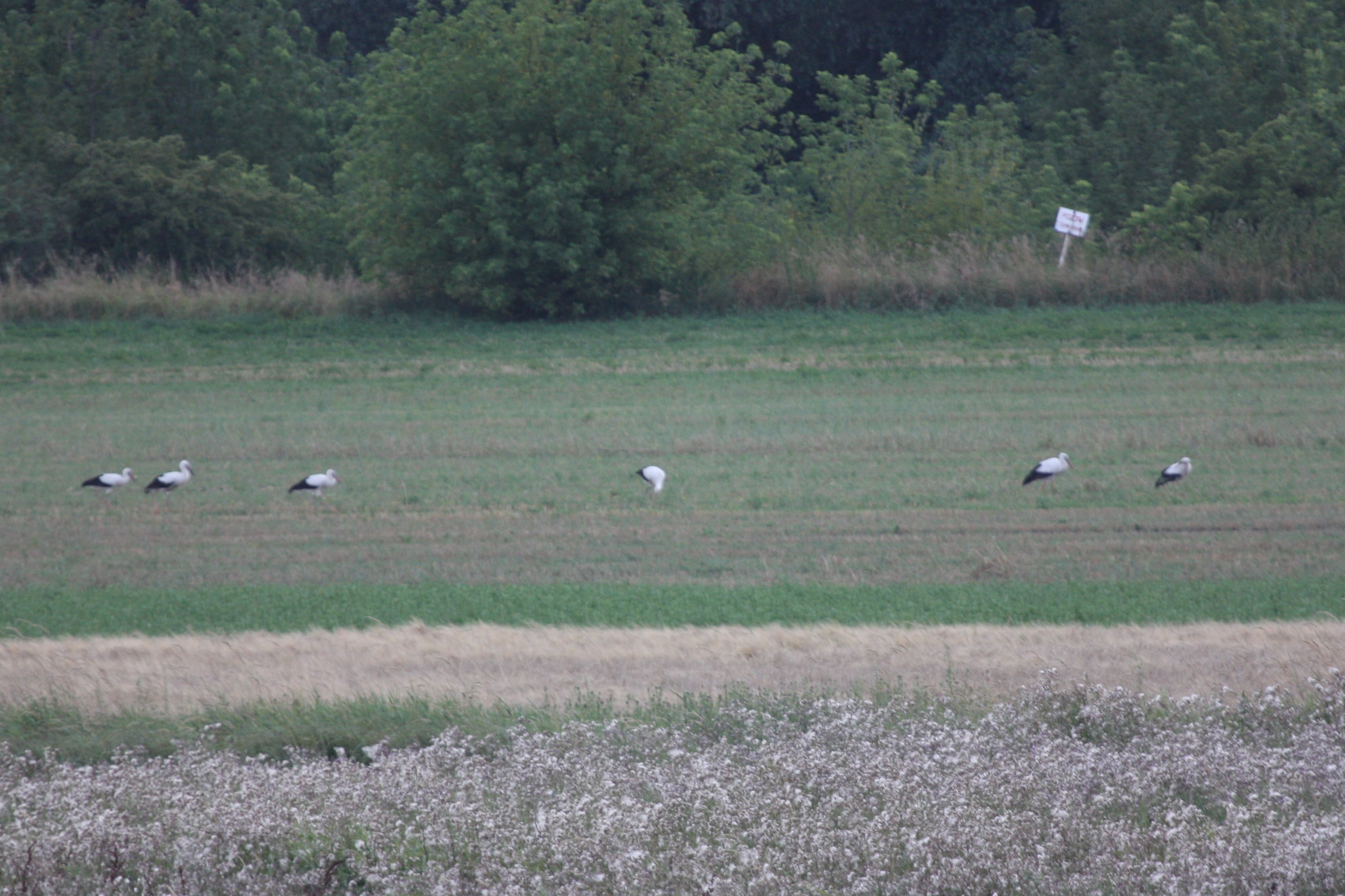
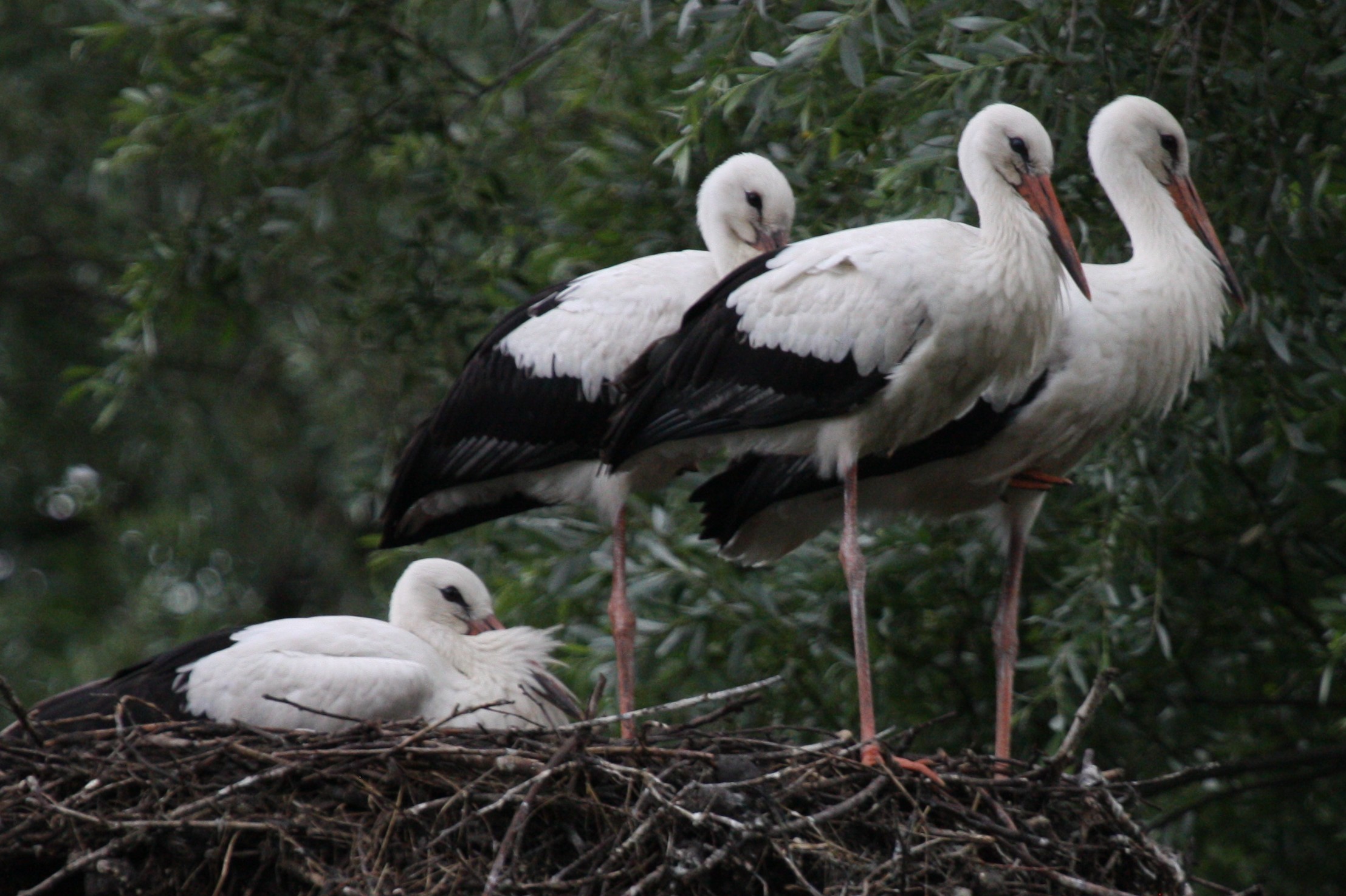
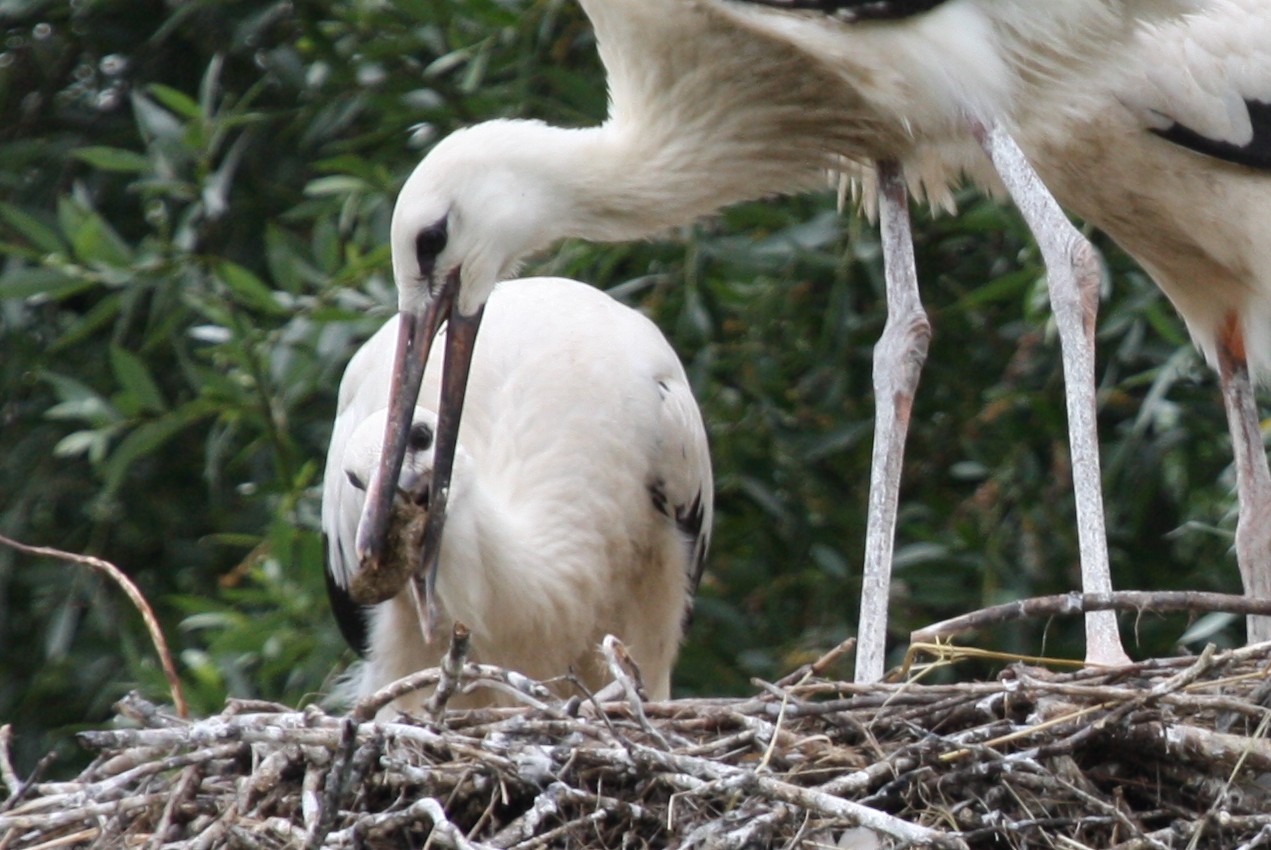
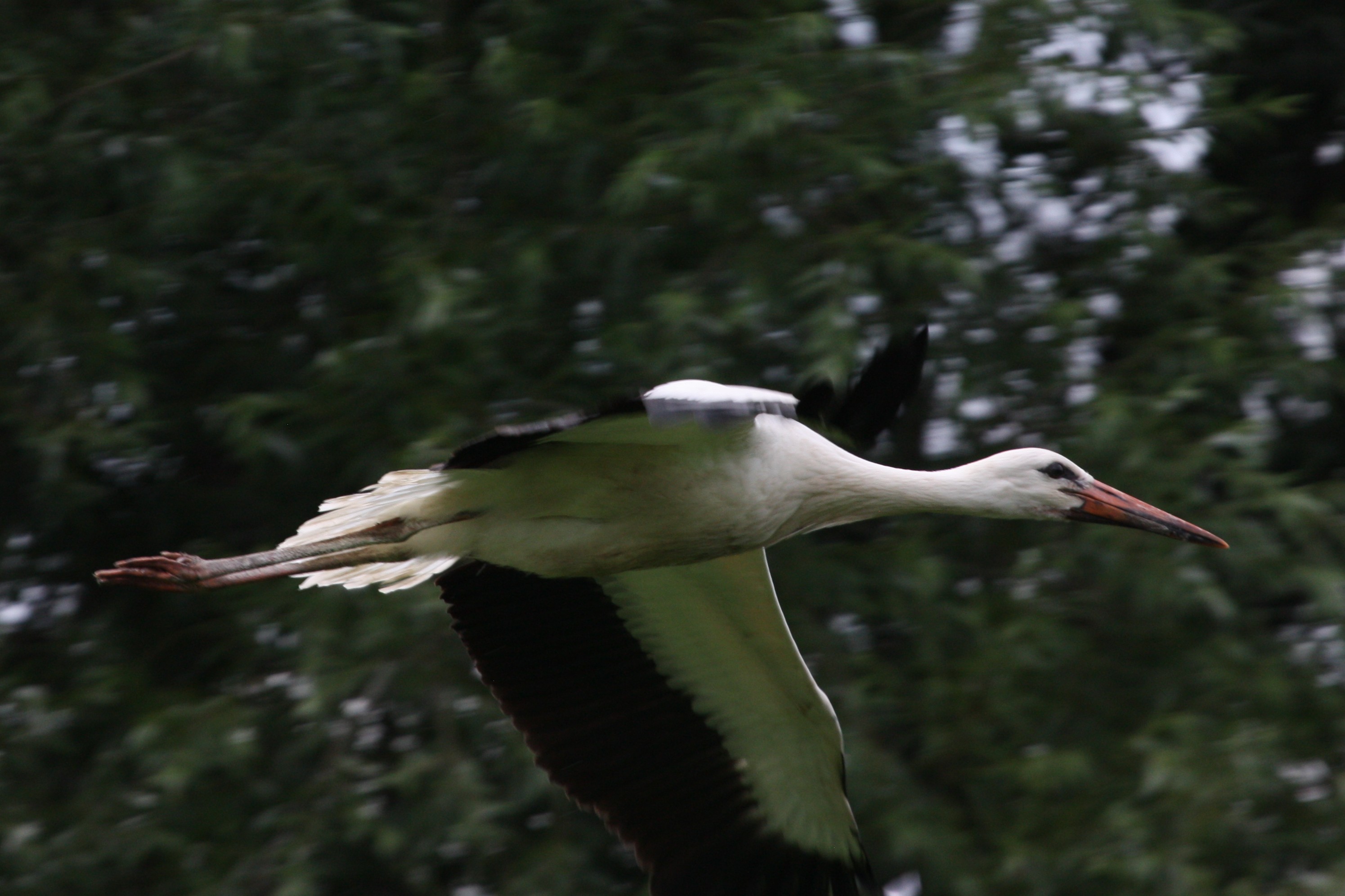
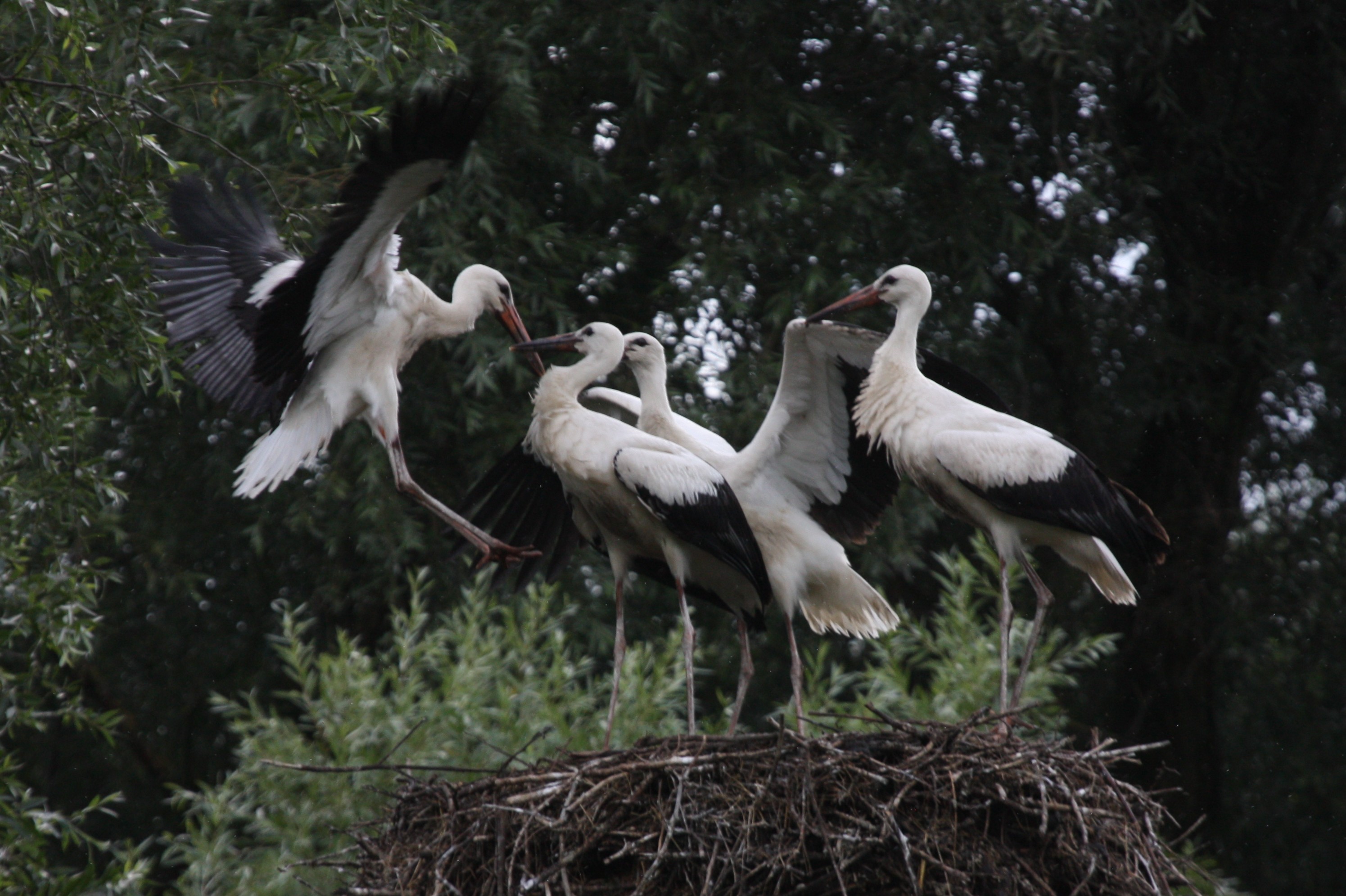
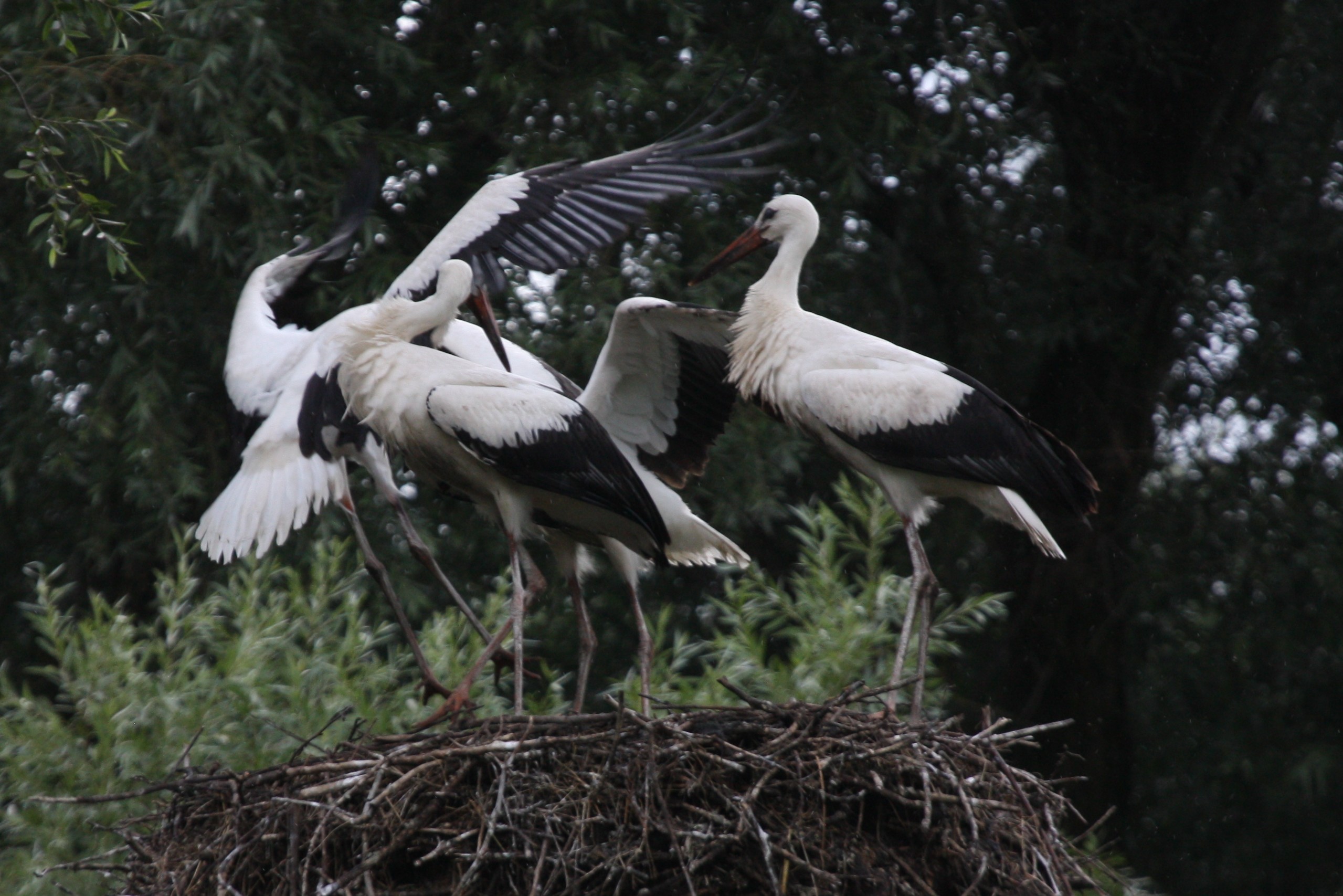
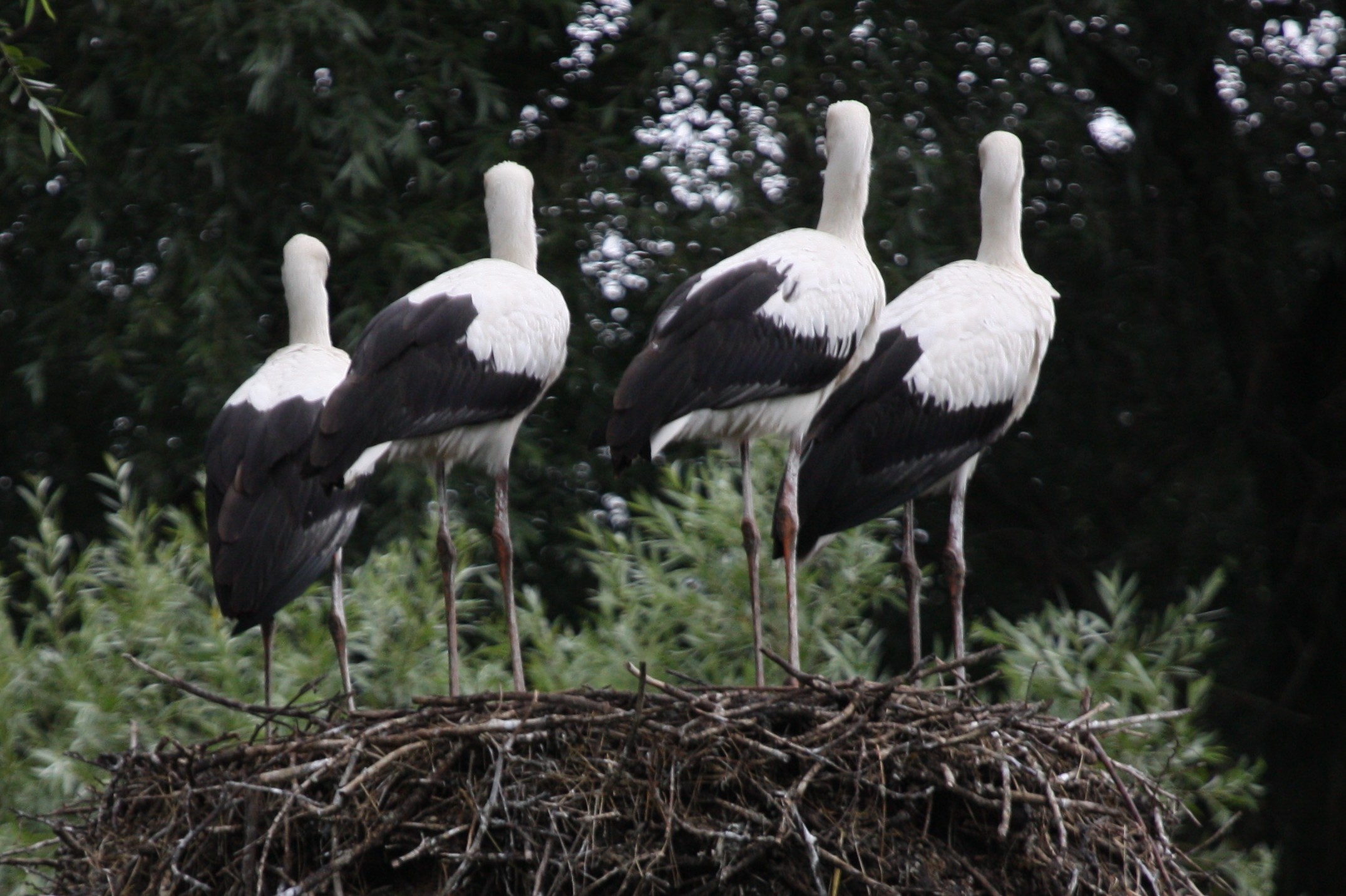
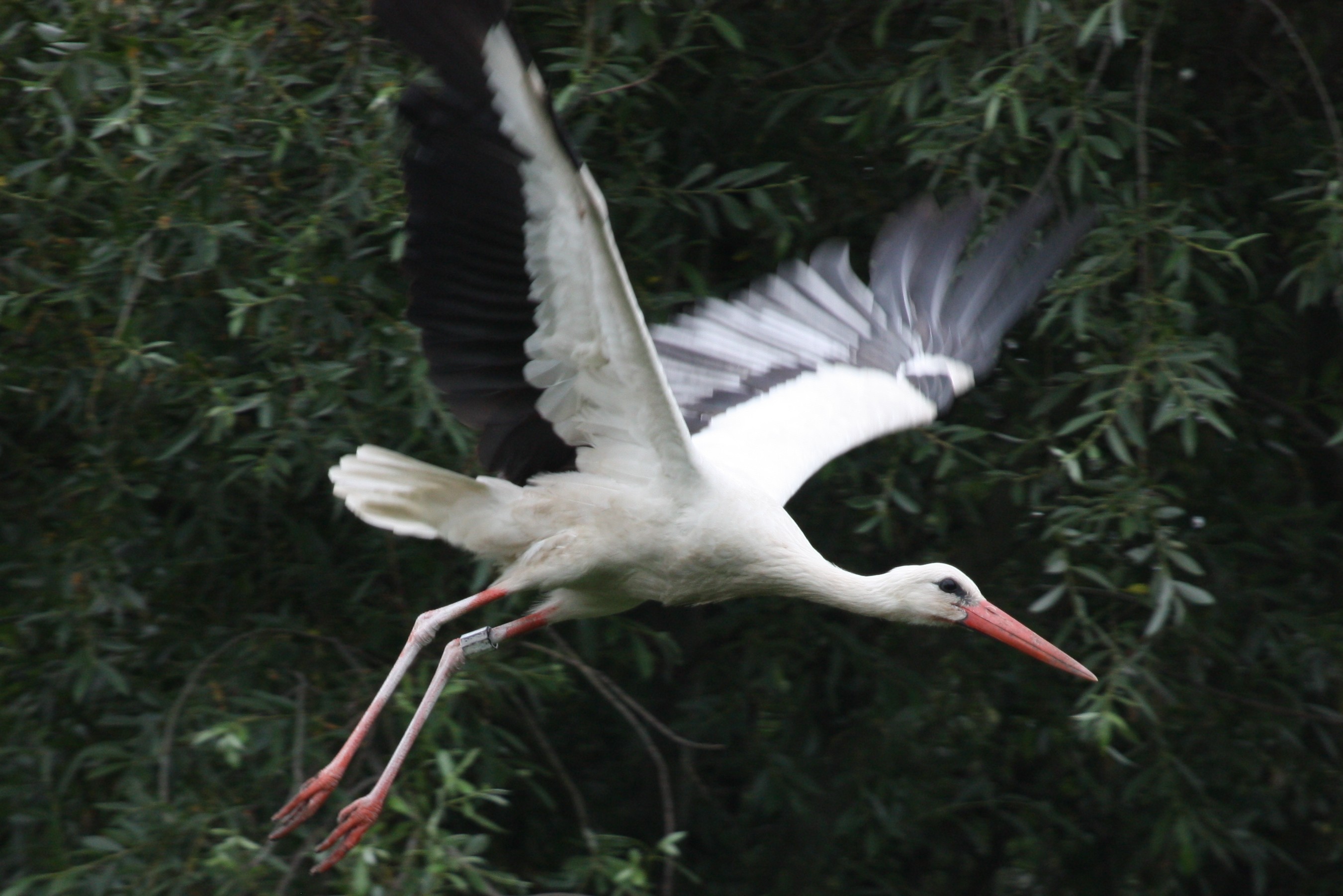
storks

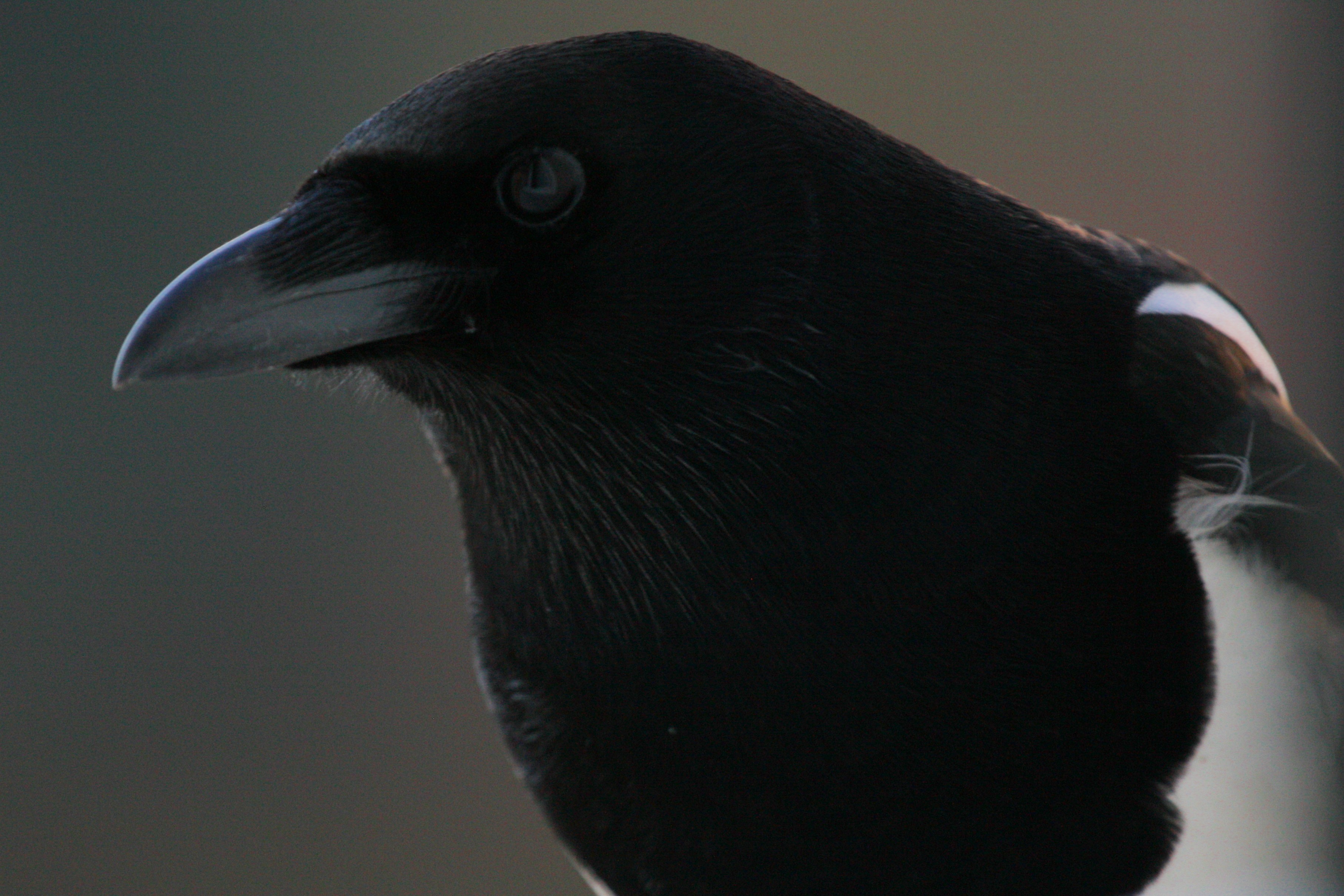
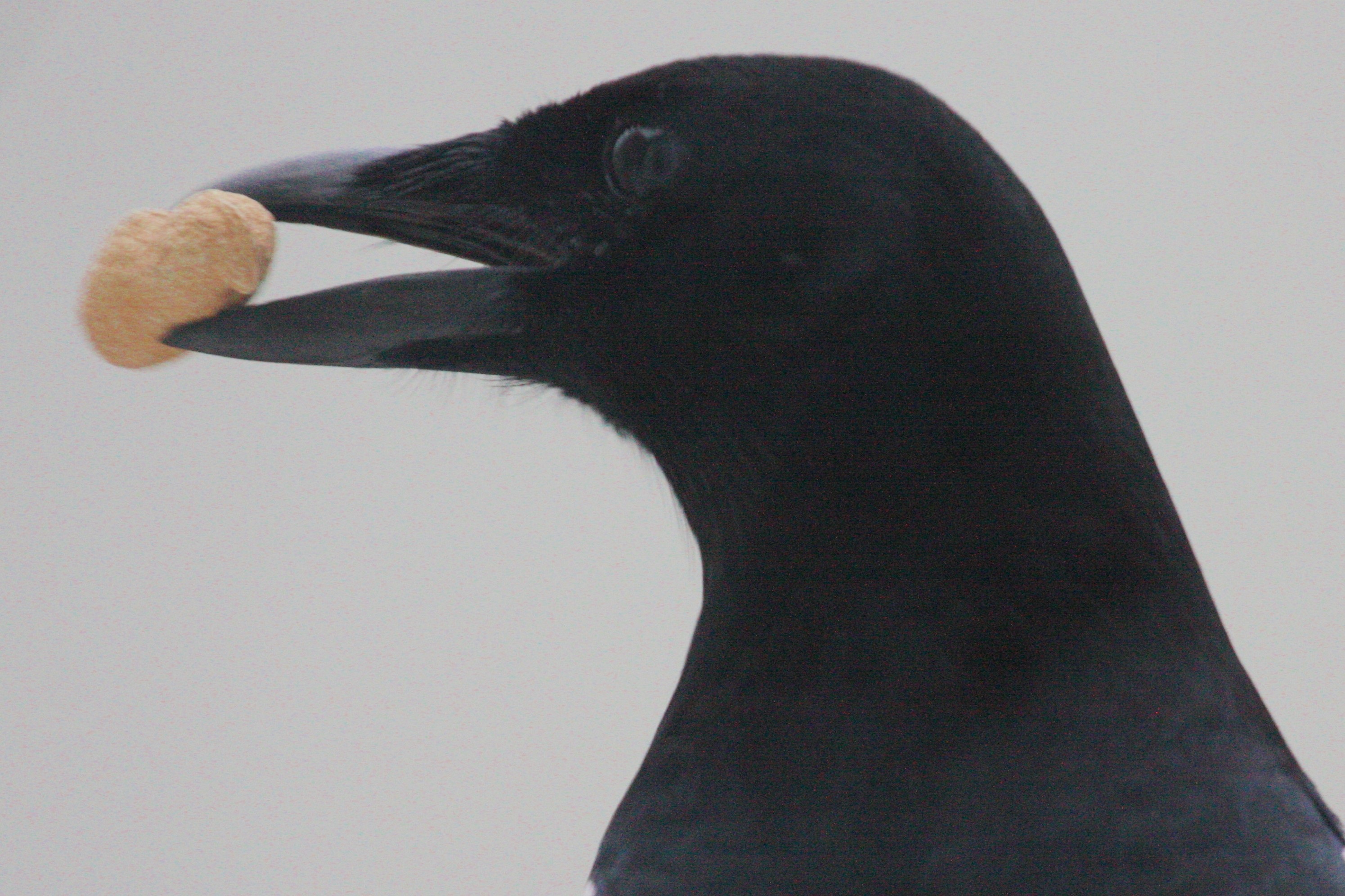
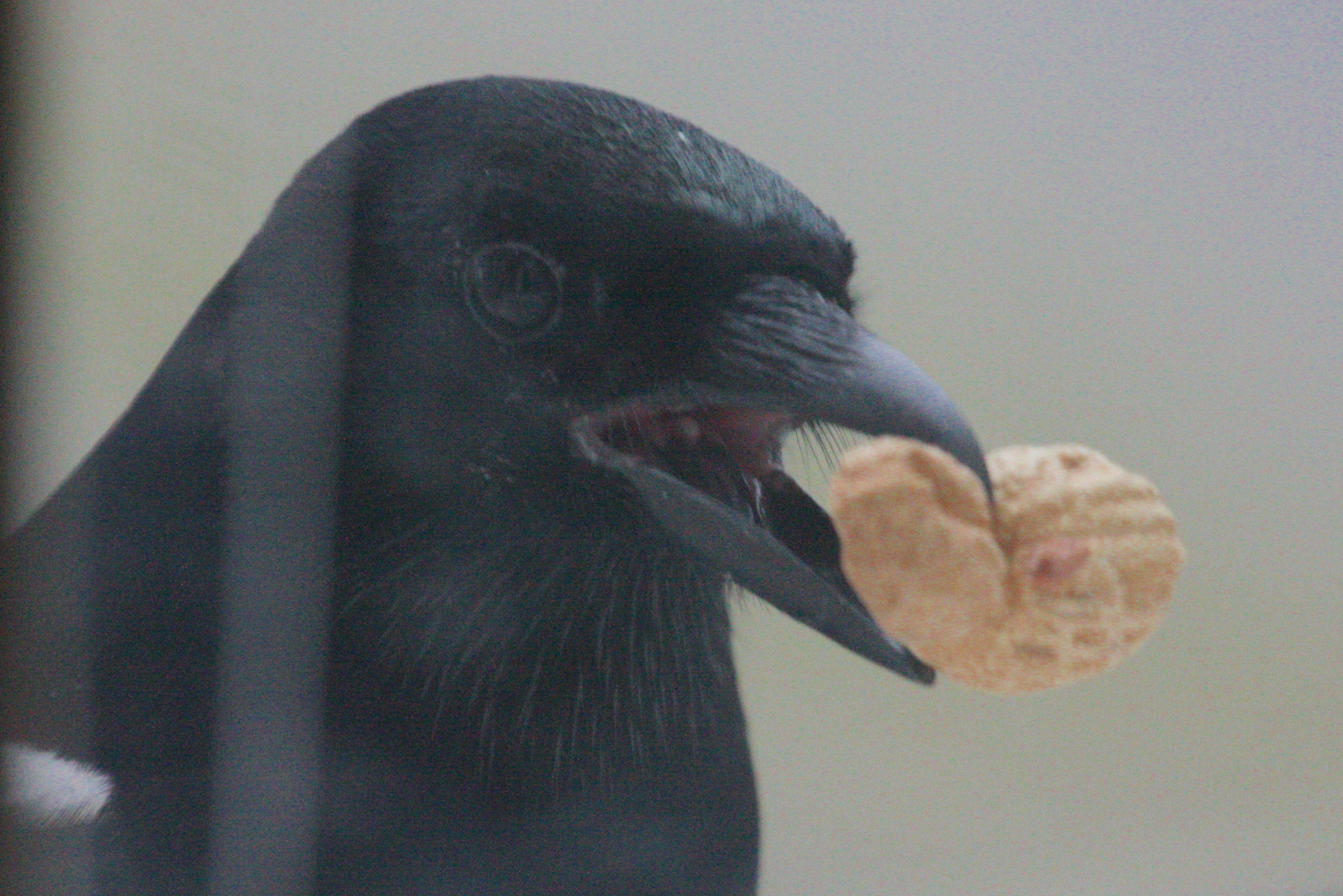
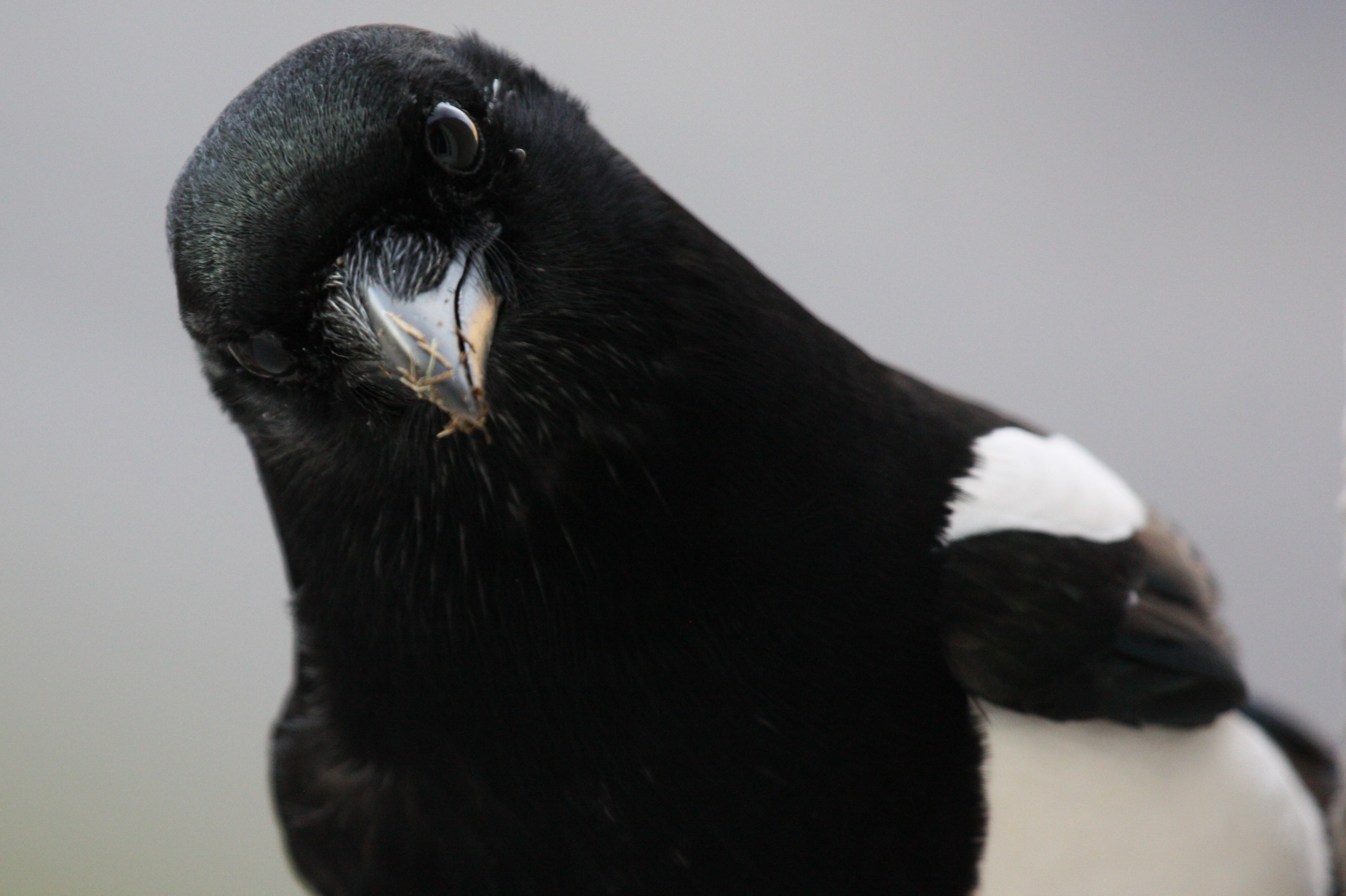
Bratislavan winters offer another splendid candidate: the magpie. Apart from the very occasional tit, these are the only birds to have noticed that our windowsill produces peanuts each morning; something which they are only too happy to take advantage of:

magpie2

magpiepeanut

magpiepeanut2

magpieportrait

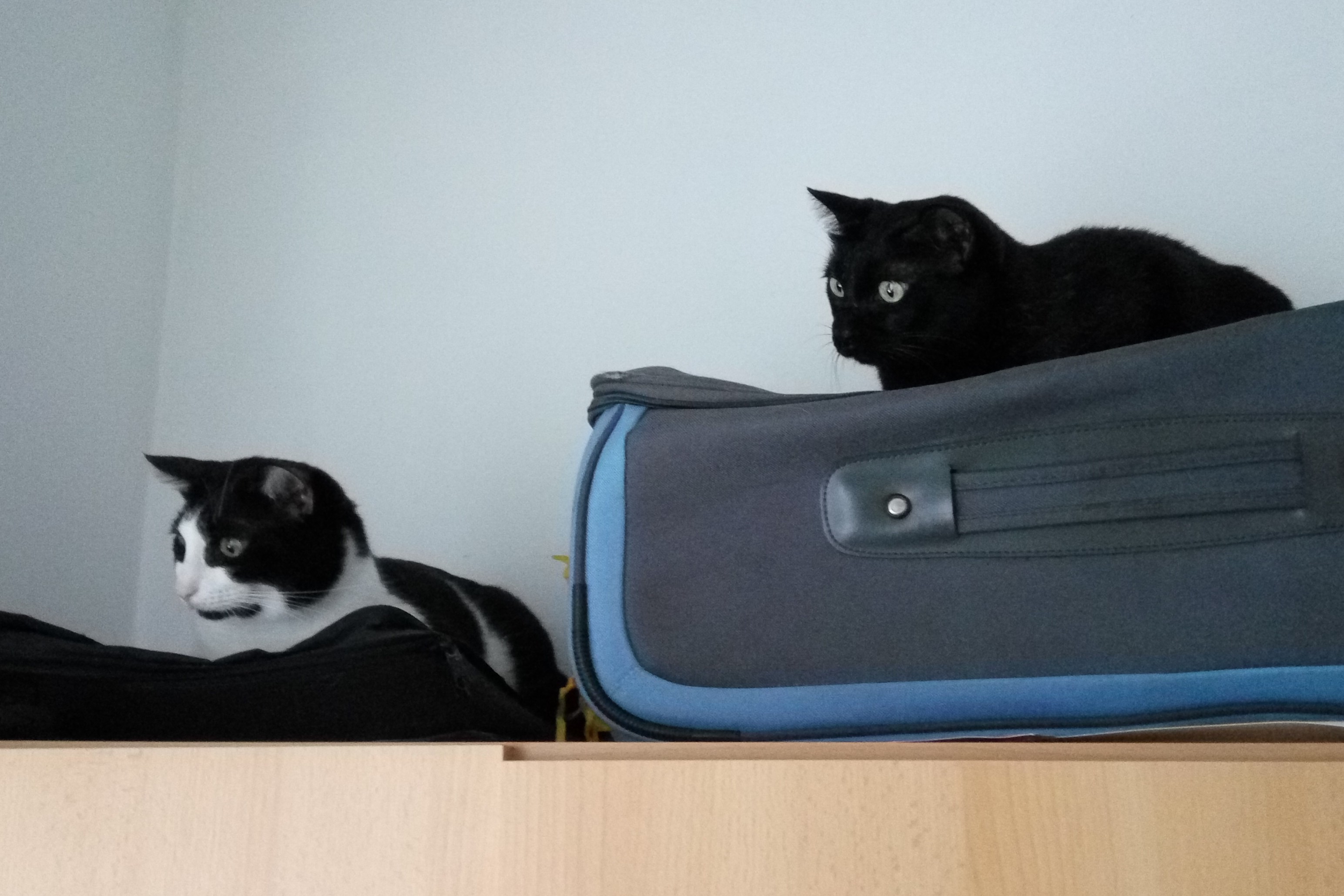
Other black and white beasts would also like to play:

hungrycats

Posted in Antarctica, Nature, Pets, Slovakia | 1 Comment

Four Non Birds

Although the birds are the most conspicuous wildlife, I’m just as happy to find members of other classes. Recently I’ve met:

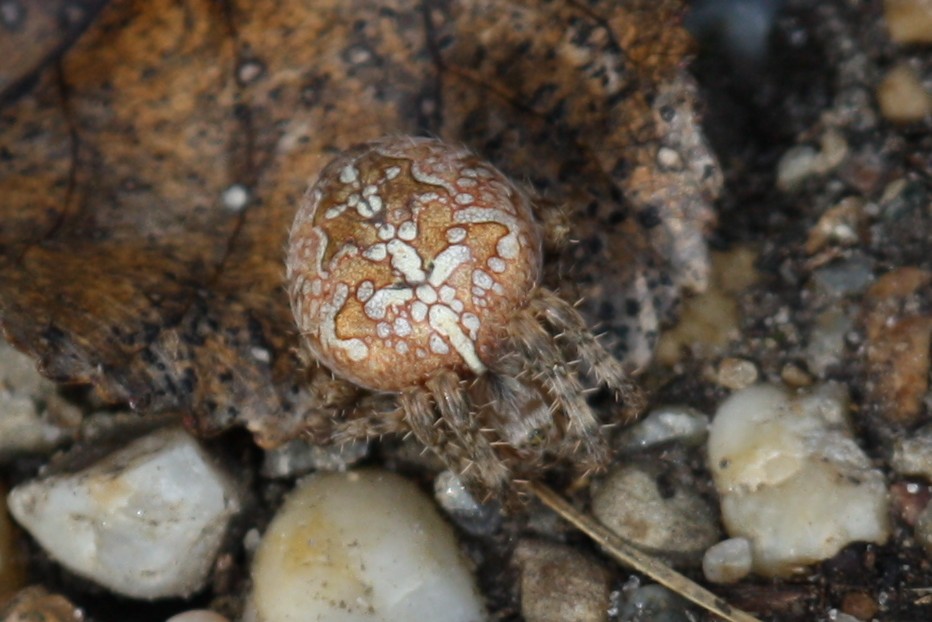
a very elegant arachnid, who played dead when I started poking around nearby;

spider

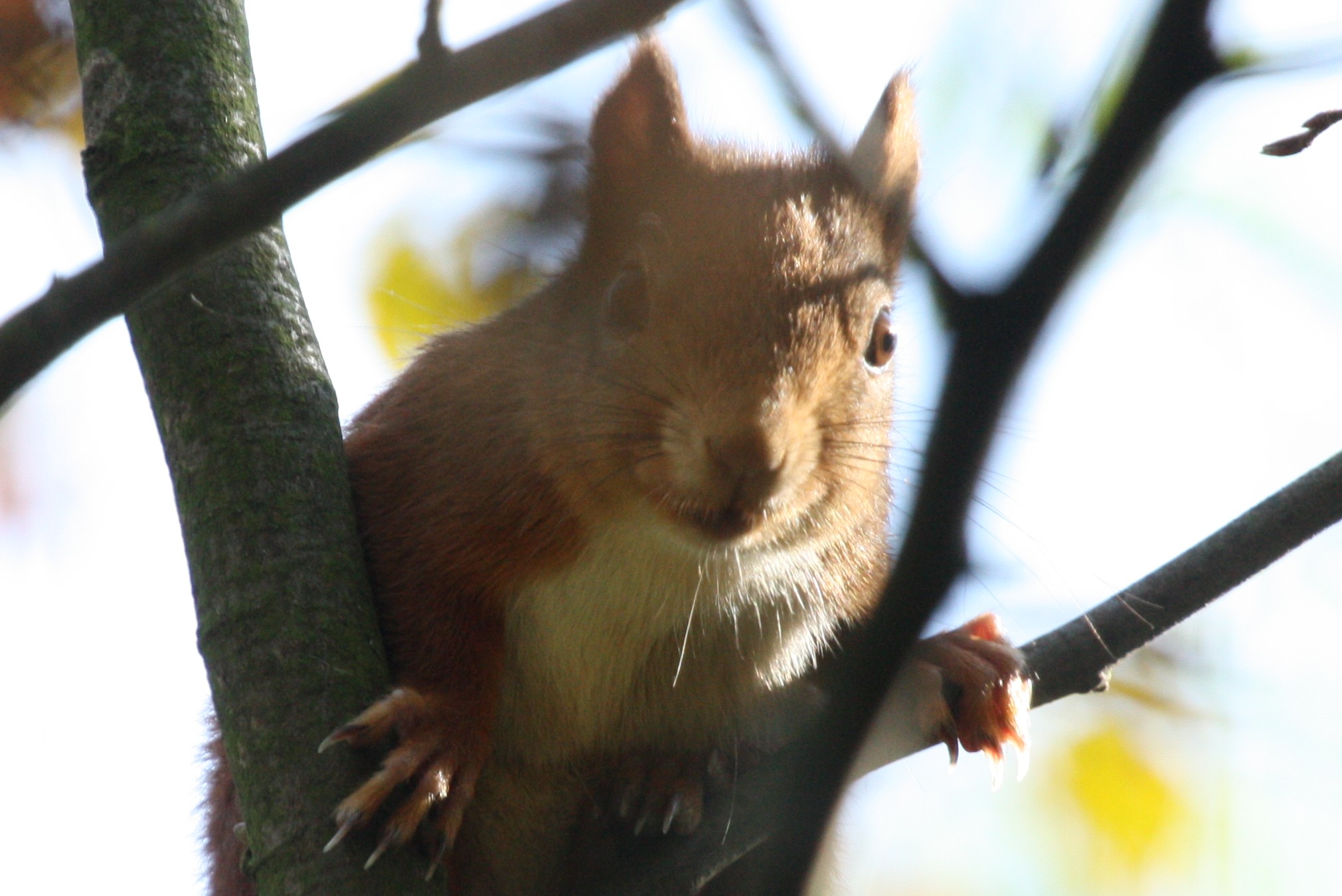
a red squirrel looking down on me;

squirrel

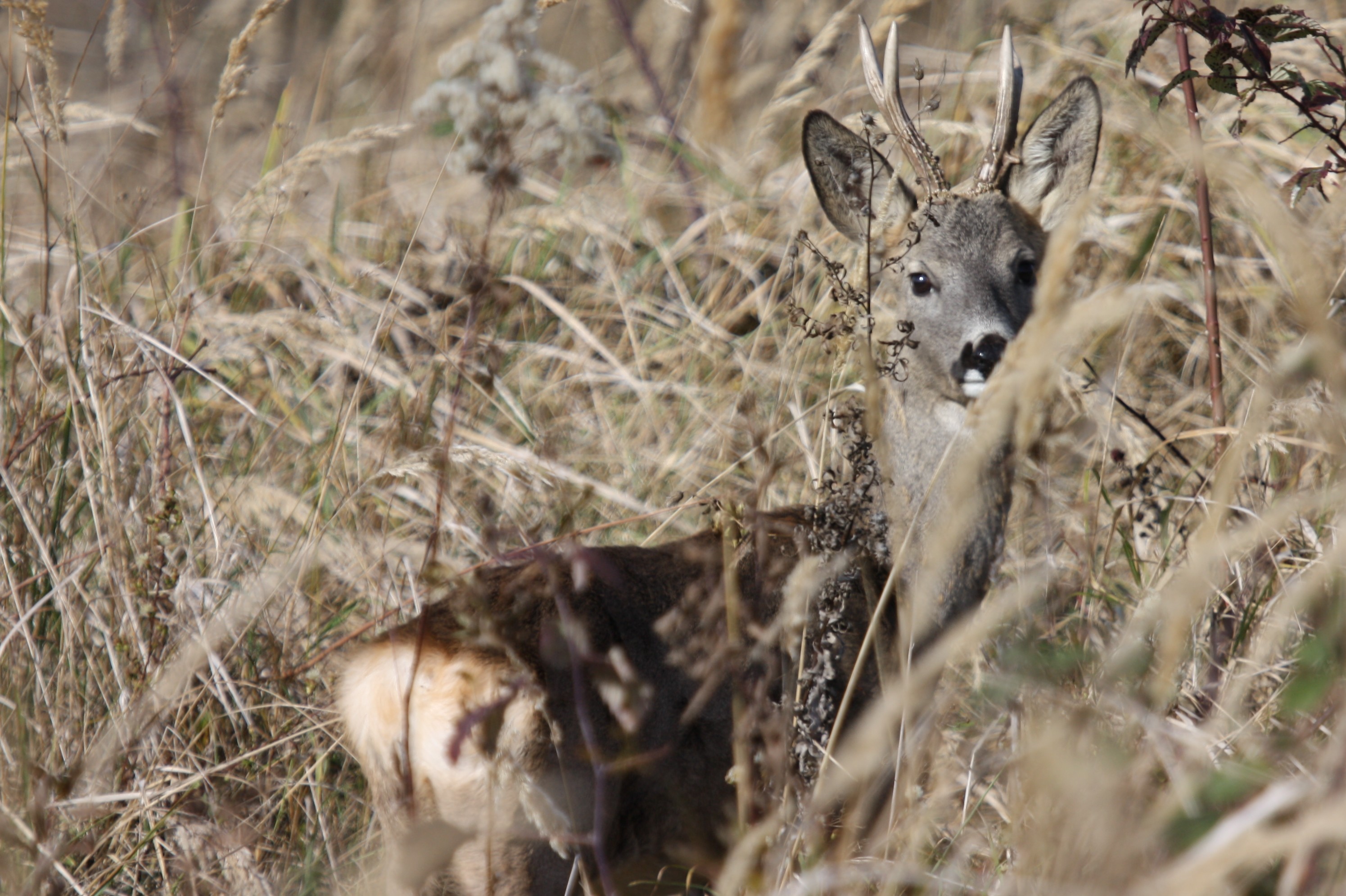
a roe deer stag on our local hill;

roedeer

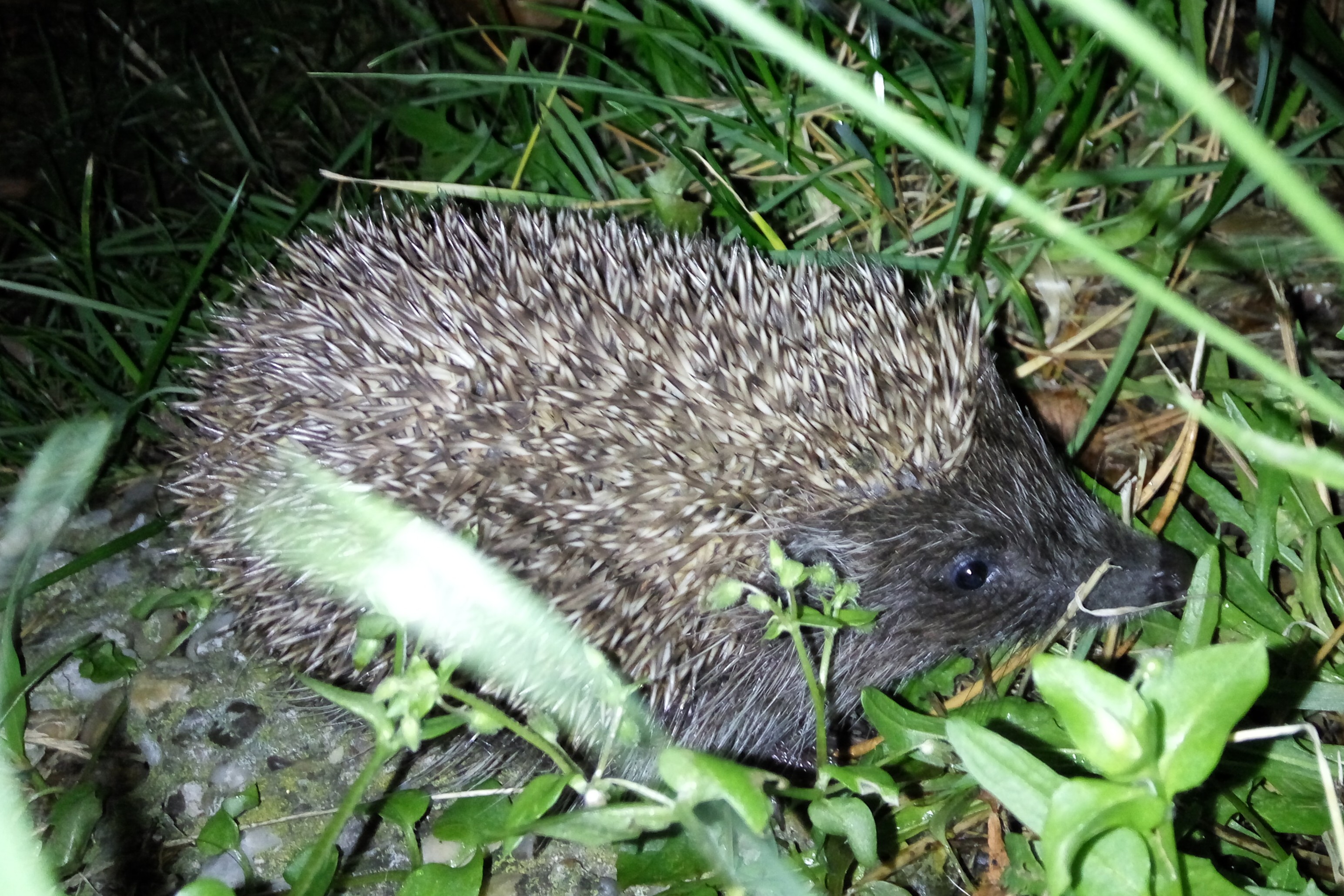
and a hedgehog who I found on our doorstep.

hedgehog

Posted in Nature, Slovakia | 1 Comment

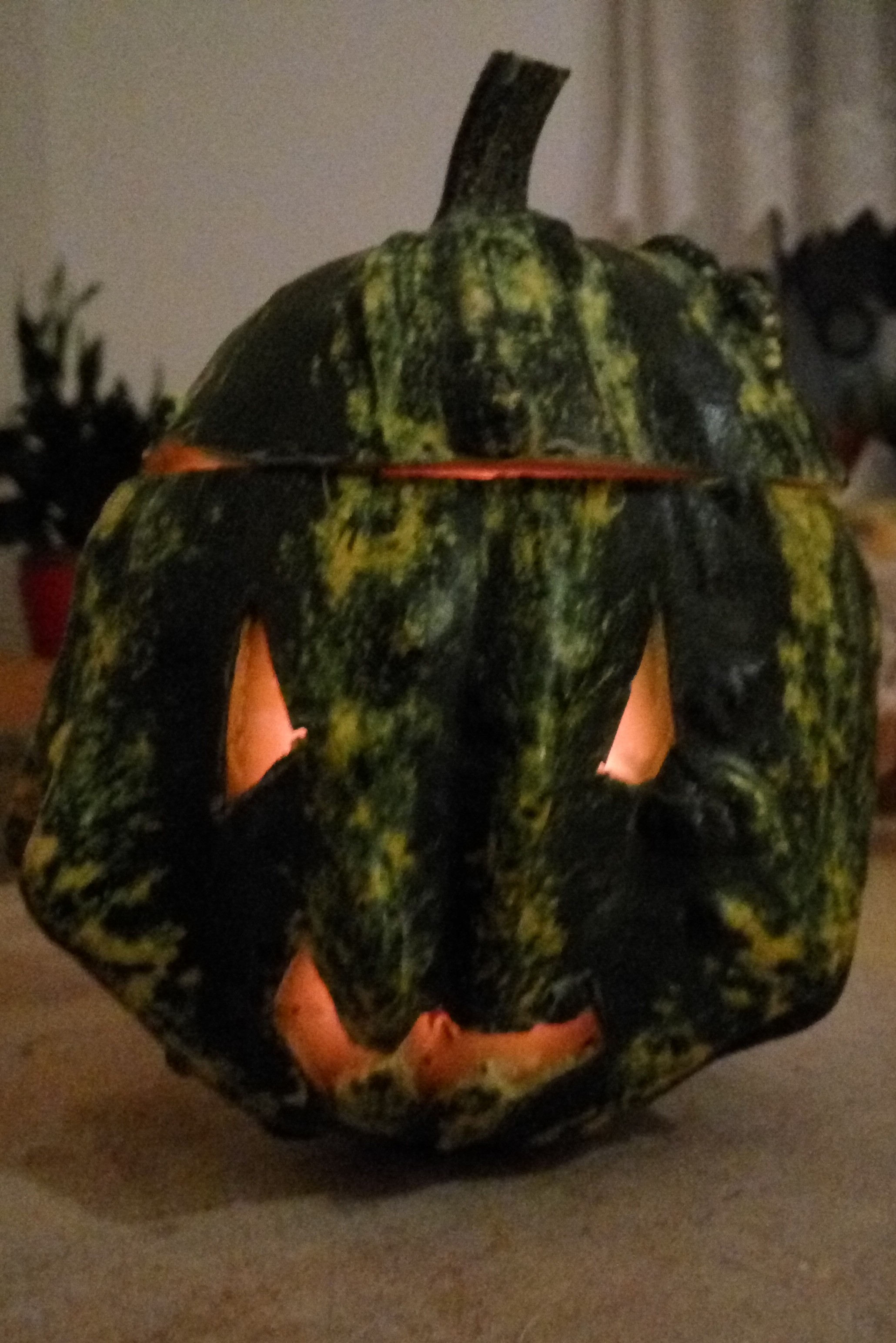
Happy Halloween!

lantern

Posted in Uncategorized | 1 Comment

Fisher Kings

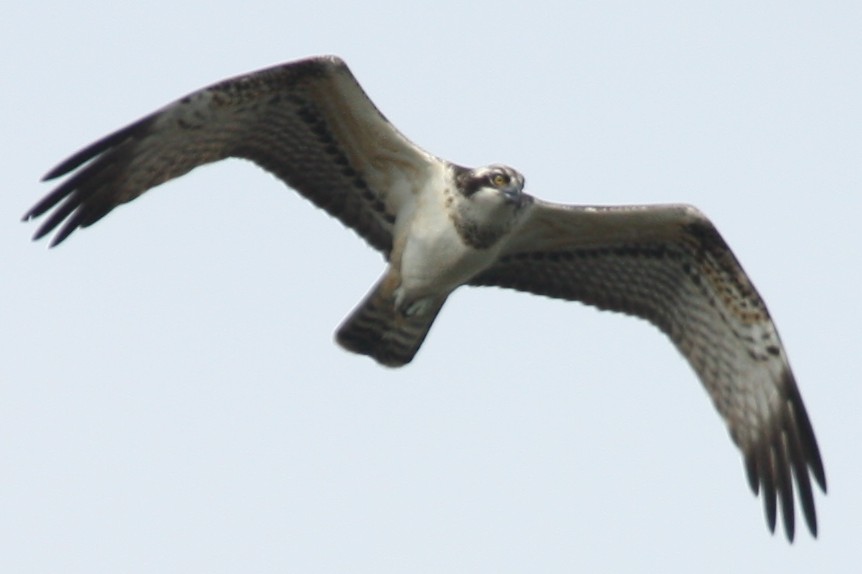
Learning vocabulary on the riverbank this morning, I was rudely interrupted by:

osprey_morava

The osprey is Kršiak rybár in Slovak: rybár being a fisher. This one was following the Morava river as part of his journey from some Nordic country down to sunny Africa.

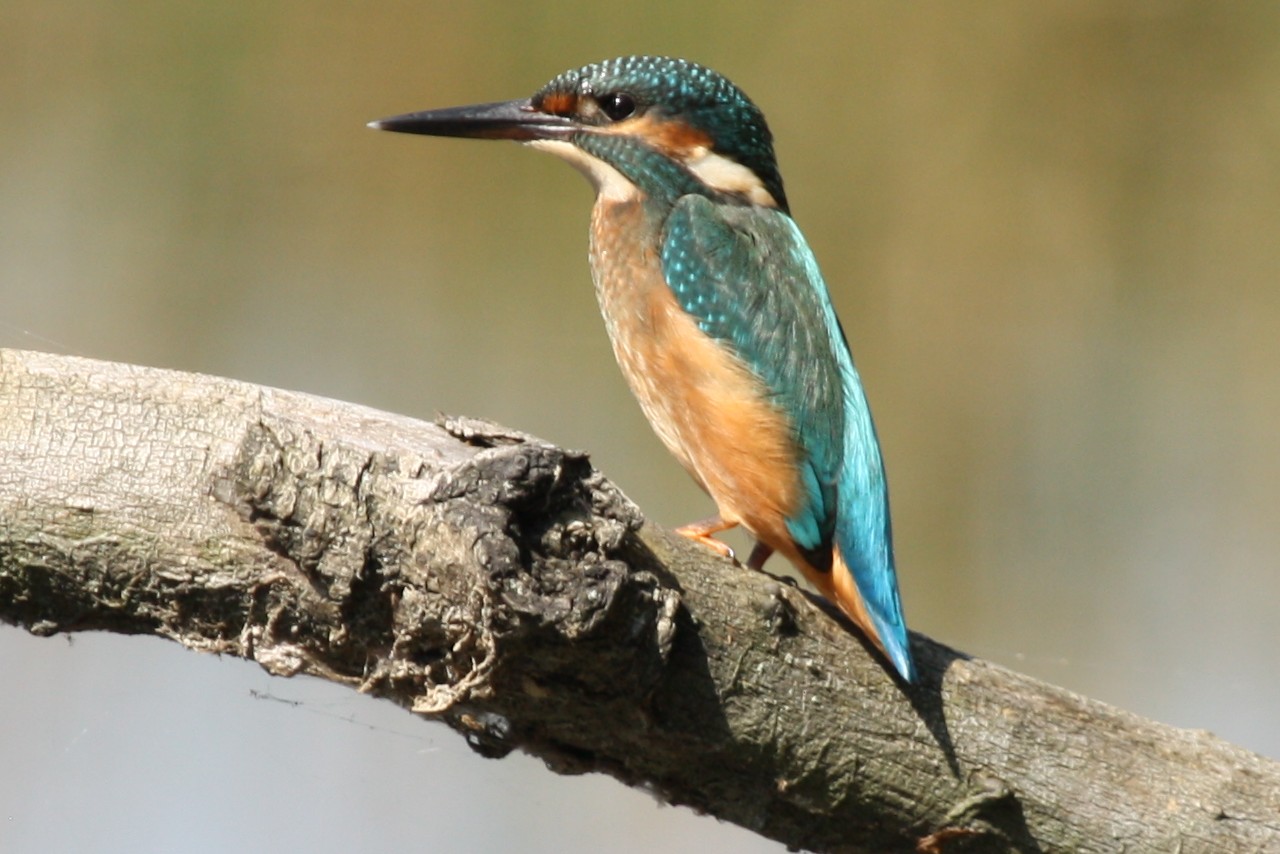
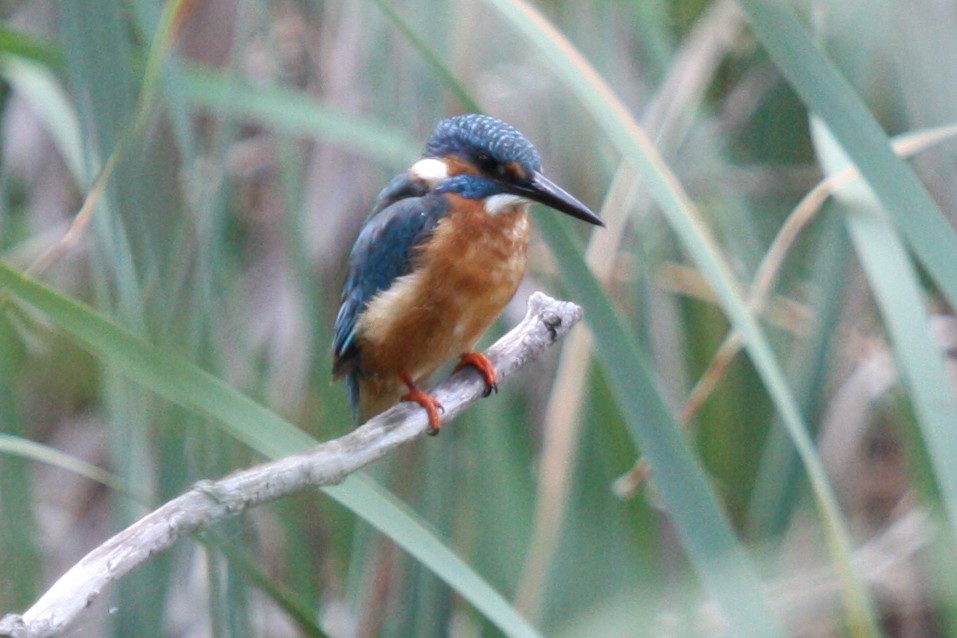
At the weekend we went back to the pond by the Danube where I saw my last kingfisher, and found presumably the same chap, together with a friend (or possibly rival). Here’s one looking suitably regal:

kingfisher

Rybárik: little fisher.

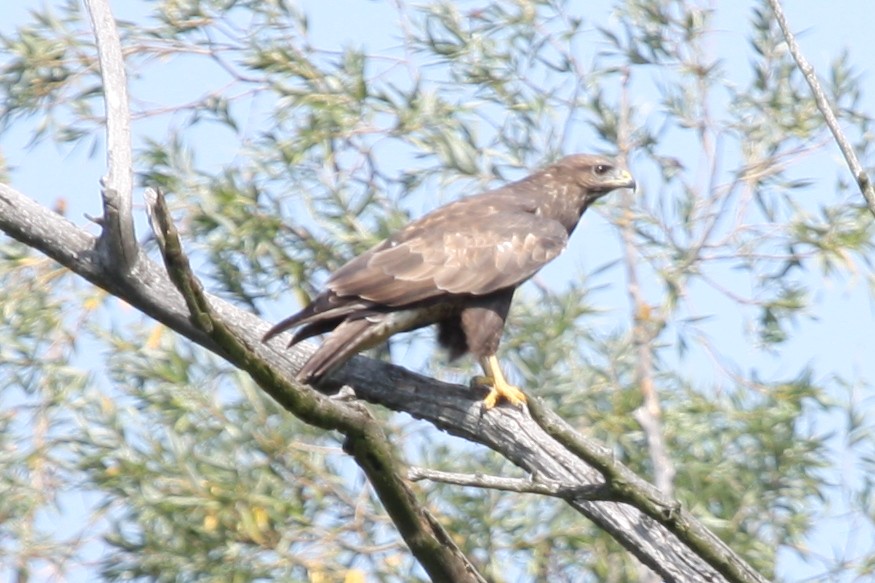
Honorary mention also goes to the buzzard who watched over the pond with a glint in his eye:

buzzard

Posted in Nature, Slovakia | 1 Comment

Homer, Language, and the Colleen Bawn

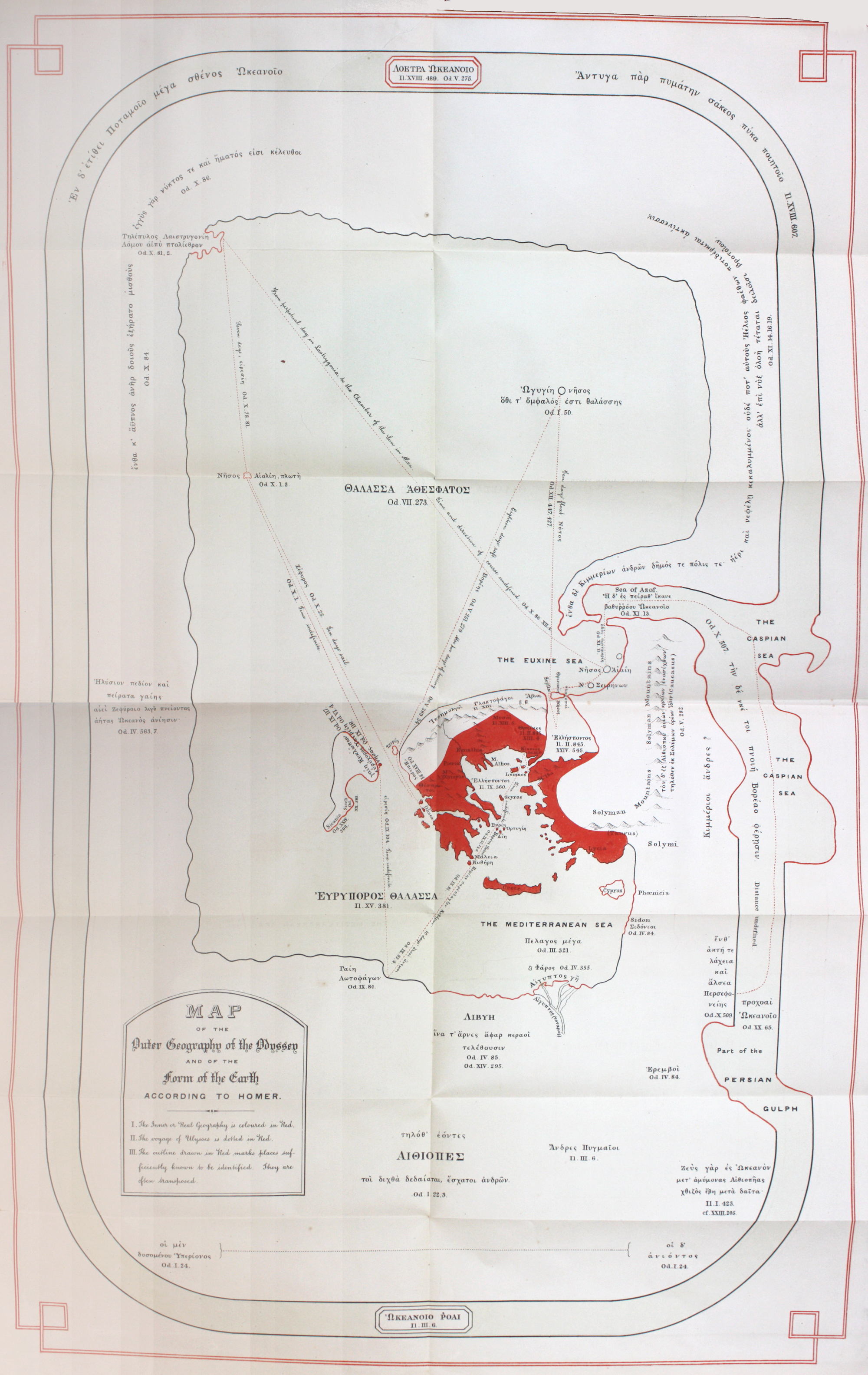
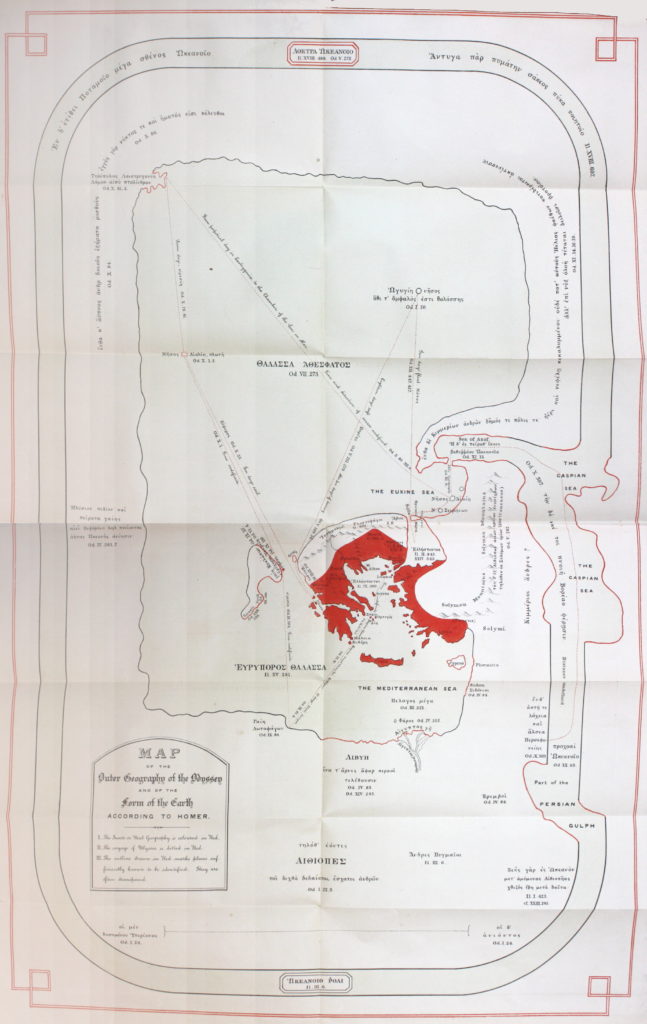
Recently, the third and concluding volume of Gladstone’s Homer and the Homeric Age finally made it to Project Gutenberg. The scanned versions available online all failed to include a map which was inserted at the end of the volume, showing Gladstone’s view of Homer’s view of the world. A splendid map it is too:
zill_t621h

Obtaining a scan of the map took quite some time, accounting for the delay, but the preparation of the text itself also involved a lot of work from many people. Each page was checked five times to ensure accuracy and to replicate the formatting of the original, and this process also involved transcription of all the Greek, prior to its reconversion to Greek script in the final book. The electronic version incorporates 71 corrections, many of those being Greek typos spotted by the three volunteers who read through the book after I’d finished with it (or thought I had). This number of corrections is more or less typical for a book of this size, so I’m pretty confident our ebooks are more accurate than the original printed versions.

The whole project started with volume 1 in November 2013, after I’d read an account of Gladstone’s weird and wonderful theory of colour in Homer in Guy Deutscher’s Through the Language Glass: Why The World Looks Different In Other Languages — one book which I’m still to finish. The theory being, incidentally, that “the organ of colour and its impressions were but partially developed among the Greeks of the heroic age”, due to the lack of colour in their environment:

The olive hue of the skin kept down the play of white and red. The hair tended much more uniformly, than with us, to darkness. The sense of colour was less exercised by the culture of flowers. The sun sooner changed the spring-greens of the earth into brown. Glass, one of our instruments of instruction, did not exist. The rainbow would much more rarely meet the view. The art of painting was wholly, and that of dyeing was almost, unknown; and we may estimate the importance of this element of the case by recollecting how much, with the advance of chemistry, the taste of this country in colour has improved within the last twenty years. The artificial colours, with which the human eye was conversant, were chiefly the ill-defined, and anything but full-bodied, tints of metals. The materials, therefore, for a system of colour did not offer themselves to Homer’s vision as they do to ours. Particular colours were indeed exhibited in rare beauty, as the blue of the sea and of the sky. Yet these colours were, so to speak, isolated fragments; and, not entering into a general scheme, they were apparently not conceived with the precision necessary to master them.

Other recently completed projects include Otto Jespersen’s Language, in which he uses his impressive range of reading to outline the state of linguistics at the time (early 20th century), with a focus on the development of language as a whole — historically — and in the individual. On the way, he hints at some interesting views on language learning:

There is a Slavonic proverb, “If you wish to talk well, you must murder the language first.”

(Or as I’ve also heard it: “To be a wit, you must first be a halfwit”.)

one should not merely sprinkle the pupil, but plunge him right down into the sea of language and enable him to swim by himself as soon as possible, relying on the fact that a great deal will arrange itself in the brain without the inculcation of too many special rules and explanations.

His How to Teach a Foreign Language should be leaving DP soon, so there’ll be more where that came from.

Light relief was provided by Dion Boucicault’s The Colleen Bawn: not of the highest literary merit, but some interesting background to Joyce.
Posted in Books | 1 Comment

Beauty and the Beast

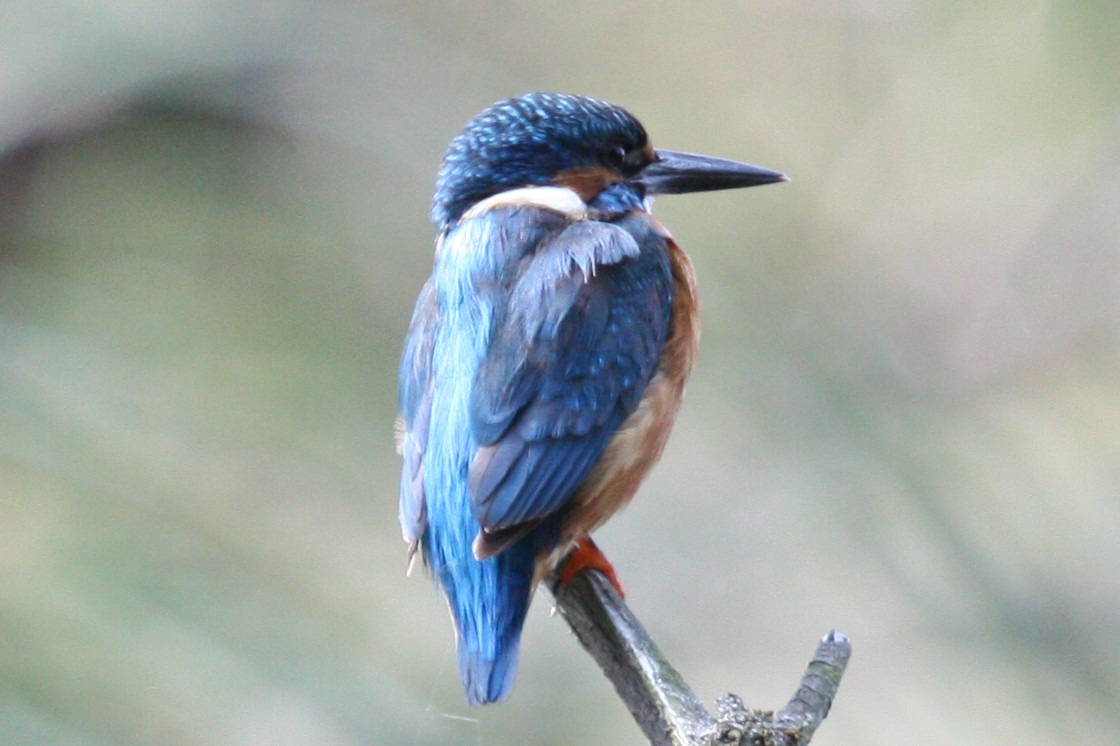
One river, two countries, and some contrasting wildlife this week. In Slovakia, this little fellow lives by the Danube:

kingfisherprofile

kingfisherchest

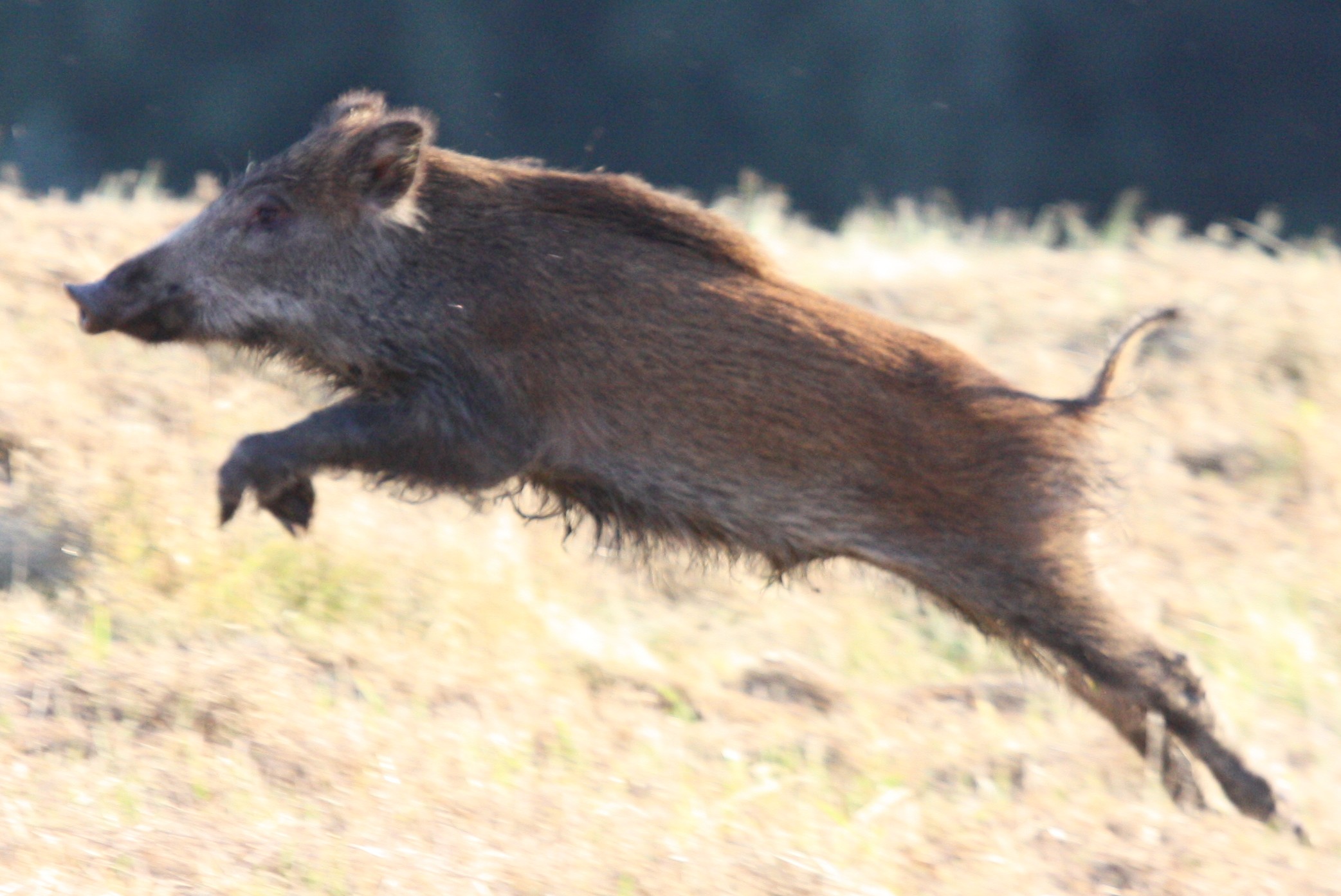
Upstream, in Austria’s Donau-Auen national park, we met:

boar

In Slovak, wild boar is “diviak”, which seems to mean literally “wild thing”. Rather appropriate!

Posted in Austria, Nature, Slovakia | 1 Comment

Lovebirds

After our superstorks finished their breeding so early, we didn’t know whether they’d start their migration early, or hang around to enjoy the Slovak summer a bit more. Fortunately they chose the latter.

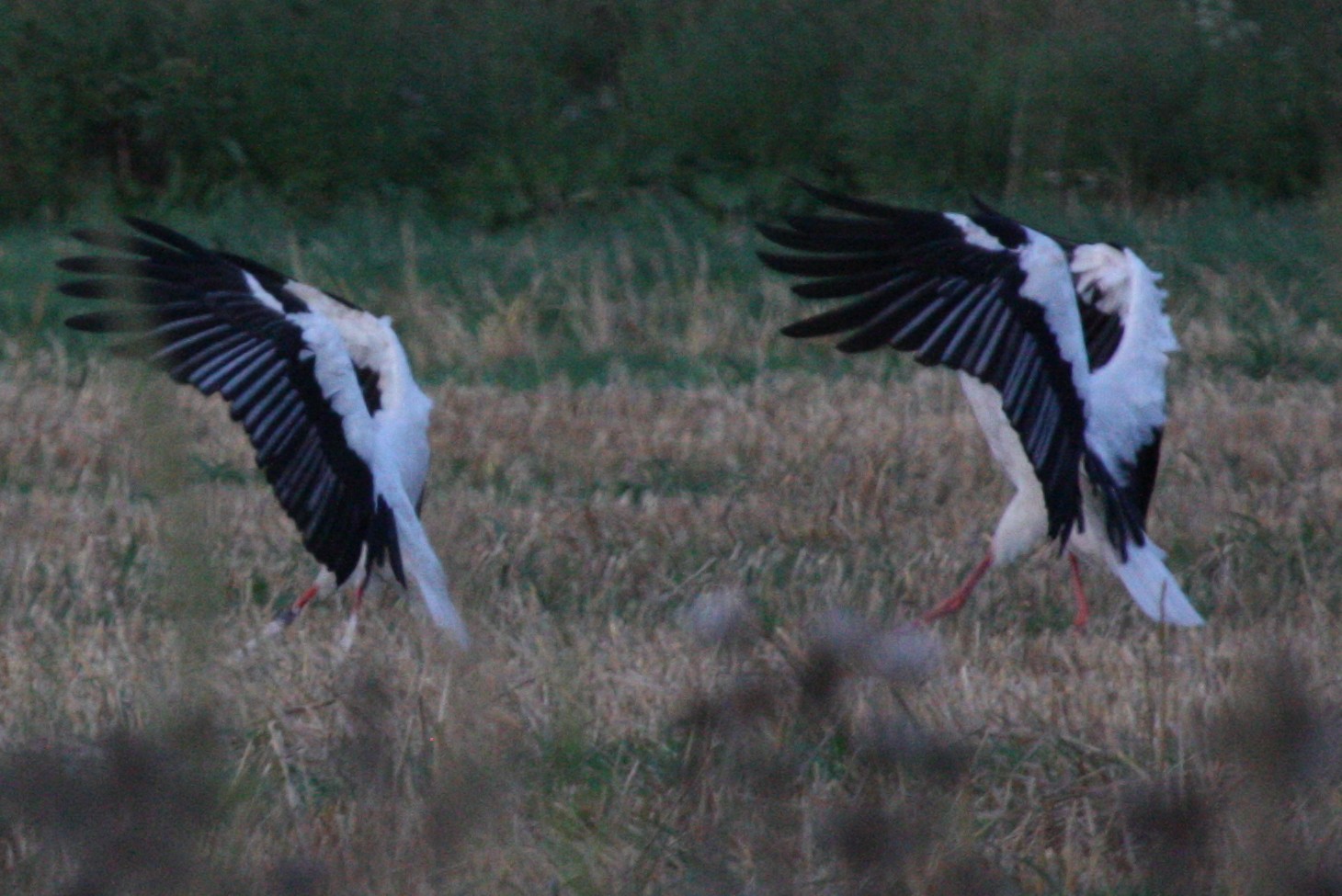
They’re much harder to find these days, returning to the nest only when it’s time for bed, but I caught them feeding in the nearby meadow:

storkslanding

storkpair

It was interesting to see the pair bond continuing, even after the chicks have left; recently we also heard them bill-clattering greetings when one of them returned to the nest late in the evening. Once they do start their migration, however, it will be alone and then in flocks, rather than as a pair.

Her, with ring:

storkher

And him:

storkhim

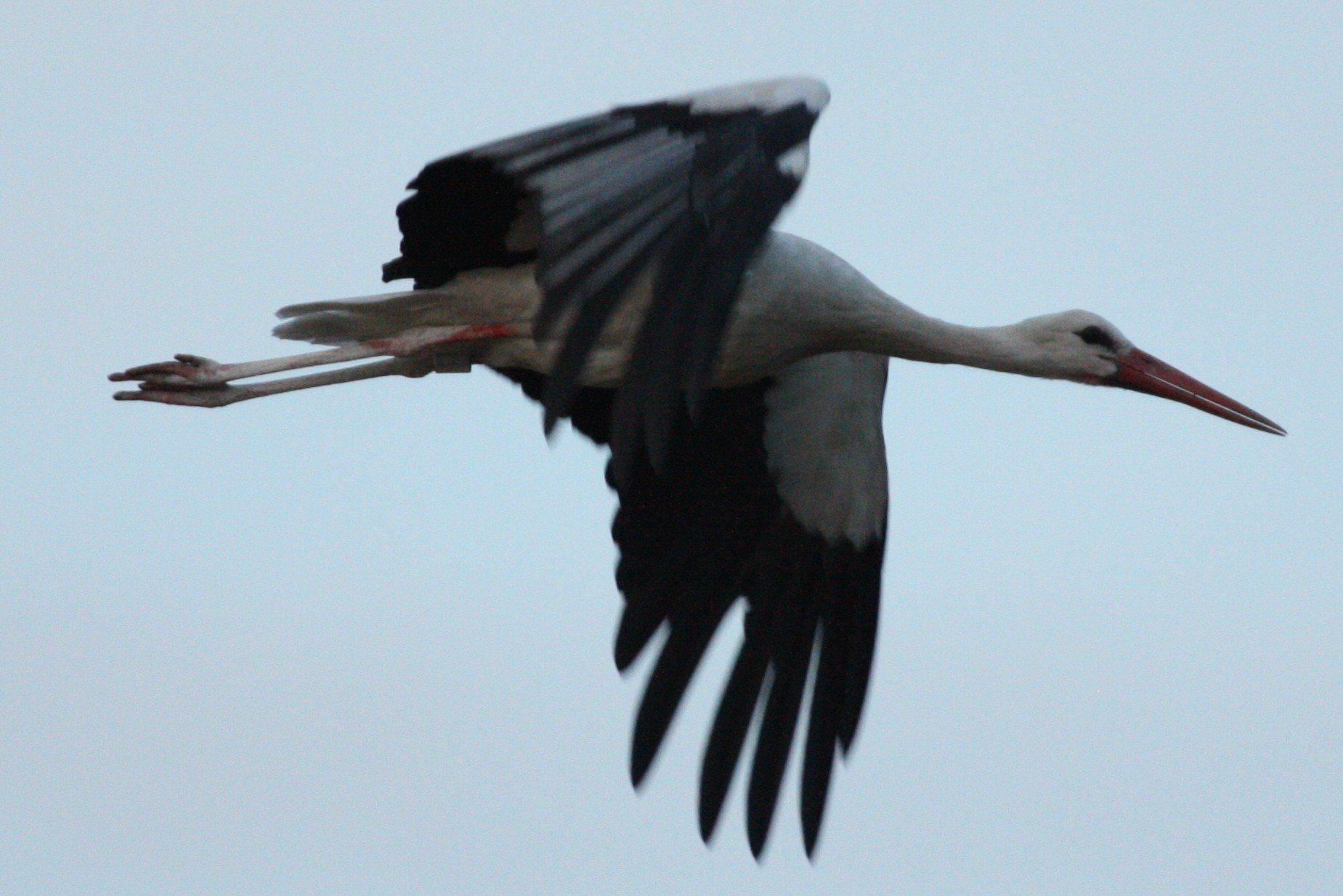
Flying nestwards:

storksflying

Posted in Nature, Slovakia | Comments Off on Lovebirds

Eyes

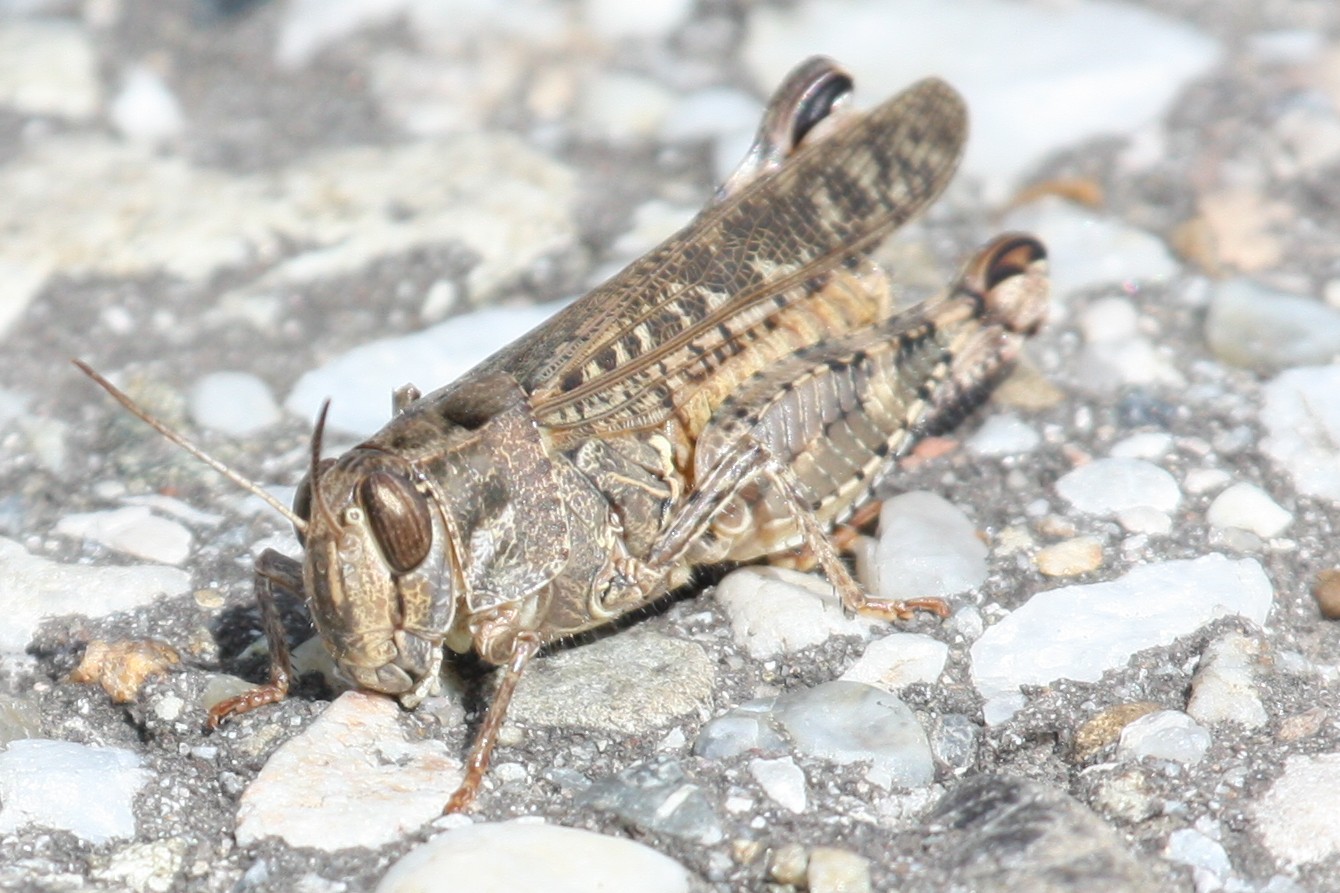
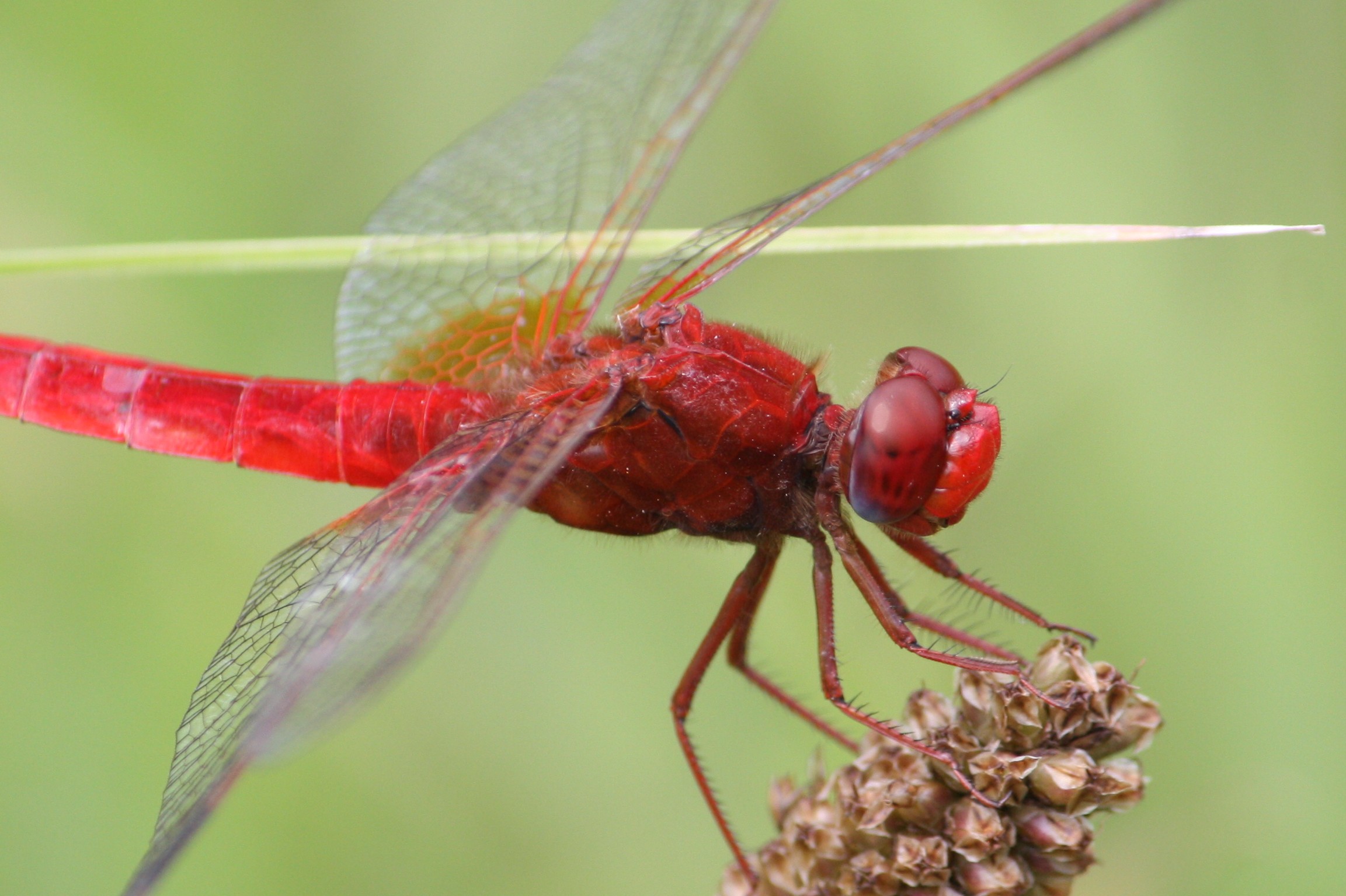
Eyes which have caught mine recently; starting with some Austrian insects:

grasshopper

dragonfly

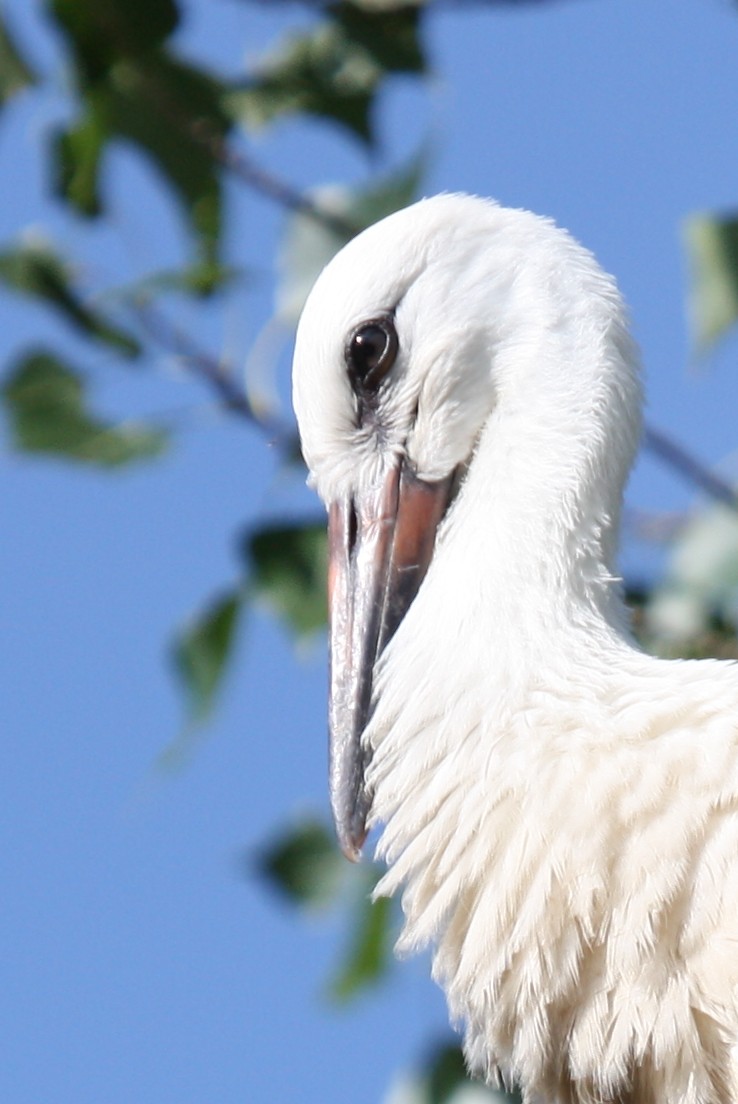
Storks’ naturally high position is extremely suitable for glaring:

storkeye

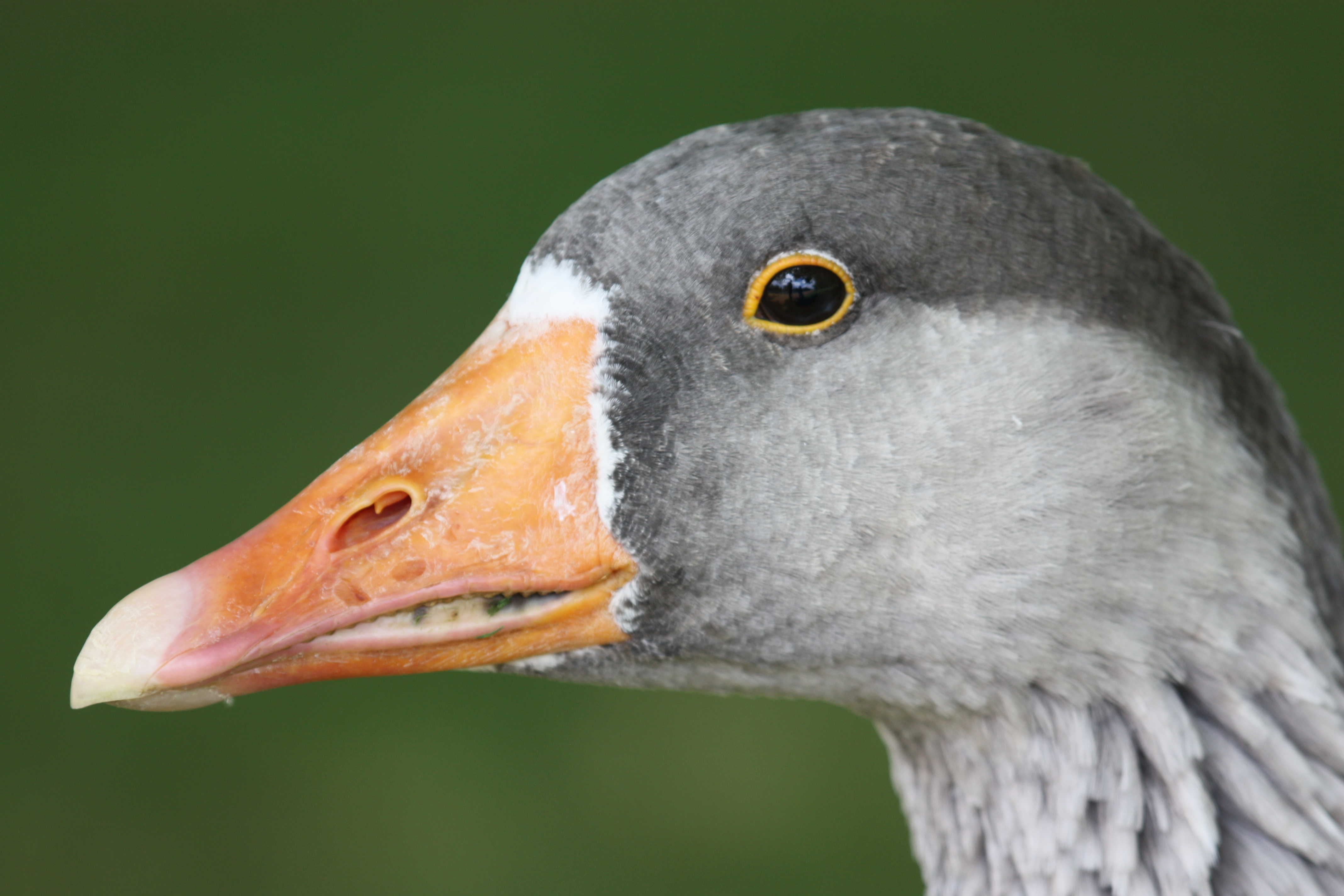
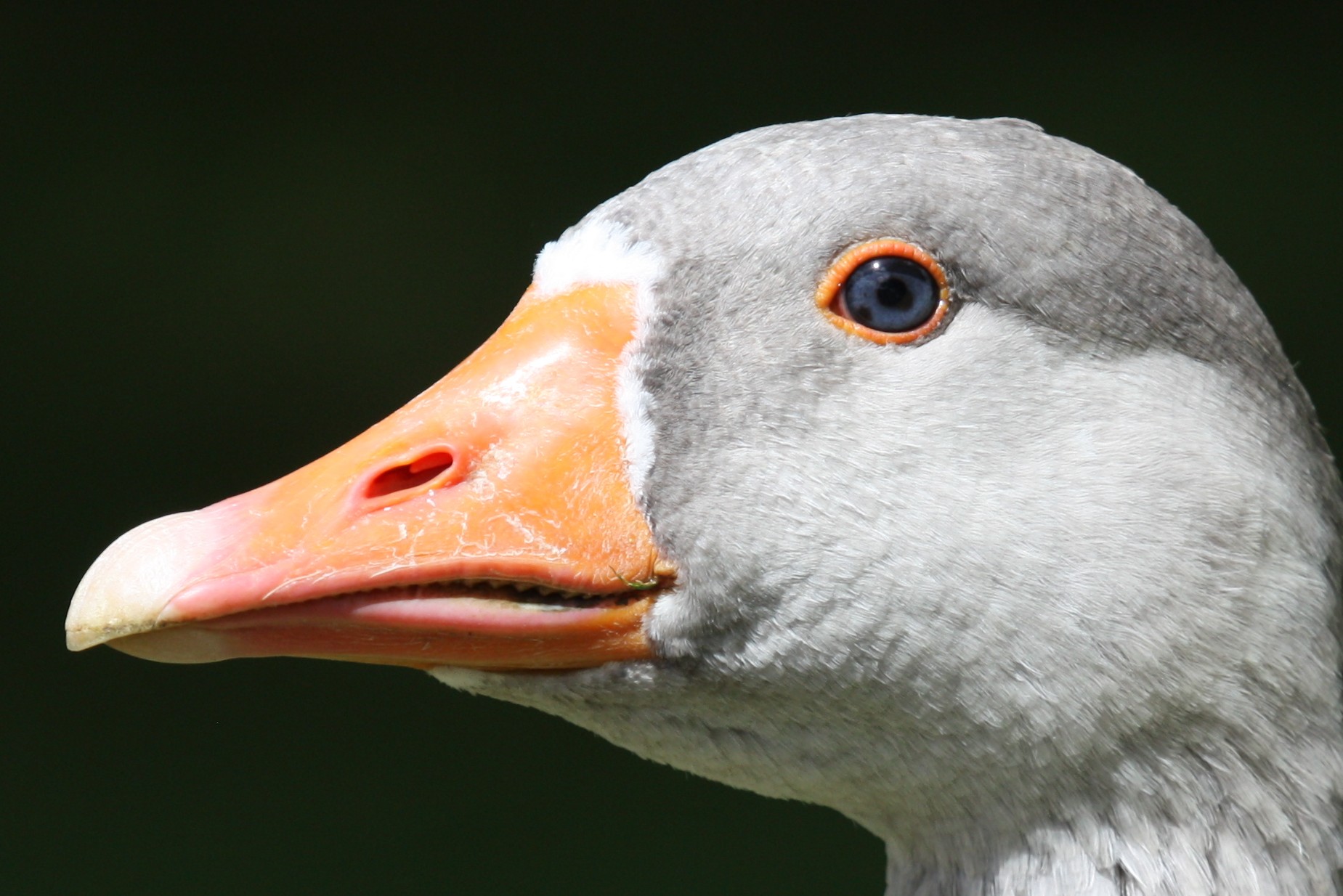
Oxford geese showed an interesting variety of colours:

gooseeye

gooseeye2

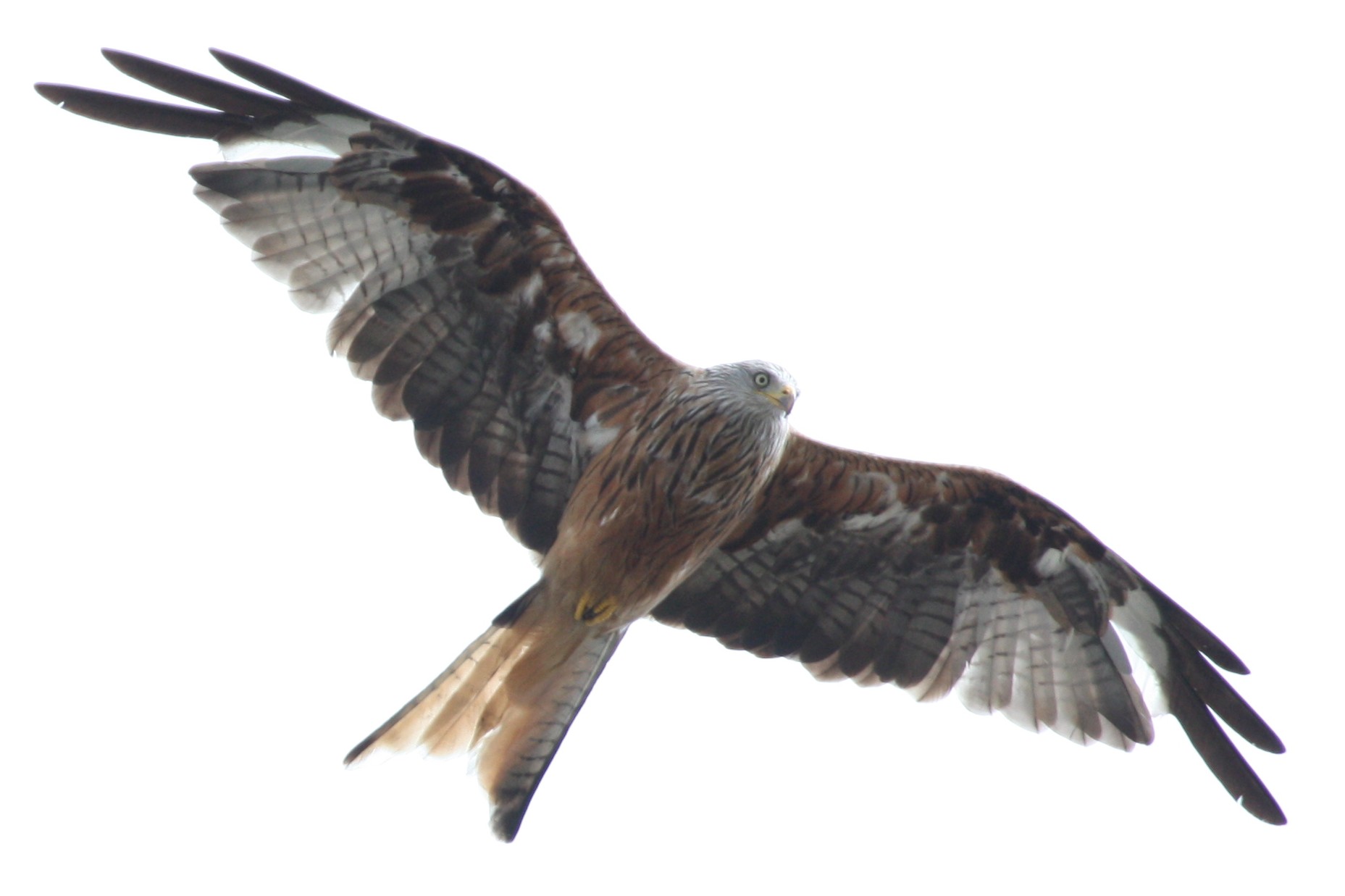
While one wouldn’t want to upset the Headington kite:

kiteeye

Posted in Austria, Nature, Oxford, Slovakia | 3 Comments

Beginning of the end

Last weekend we made our usual stork visit, expecting to find that another one or two of the chicks had started flying. It was a bit of a shock to come across this:

emptynest

After a wander round, we were about to leave when we caught sight of a few white specks in the distance. We gave chase, and found that it was indeed our family, out exploring the local meadow:

outing

We were slightly over-eager, and caused a bit of a panic by getting too close:

flight

But dropping by the nest again we found all the youngsters safely home.
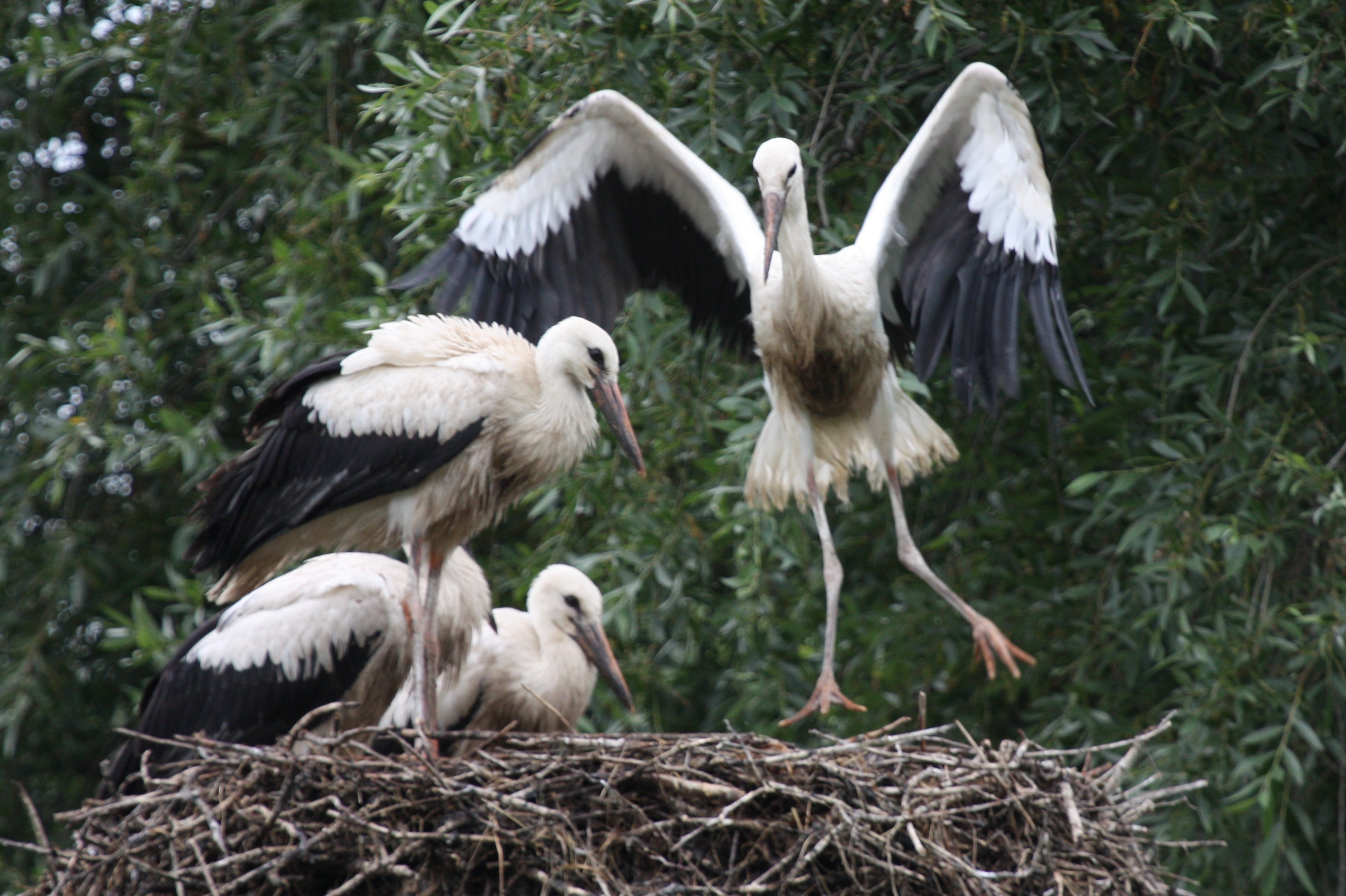
home

With a bit of luck we should keep seeing them around until our own travels begin; then it’s the end of the beginning for their stories.
Posted in Nature, Slovakia | 1 Comment

Reasons to be cheerful, part 3: storks

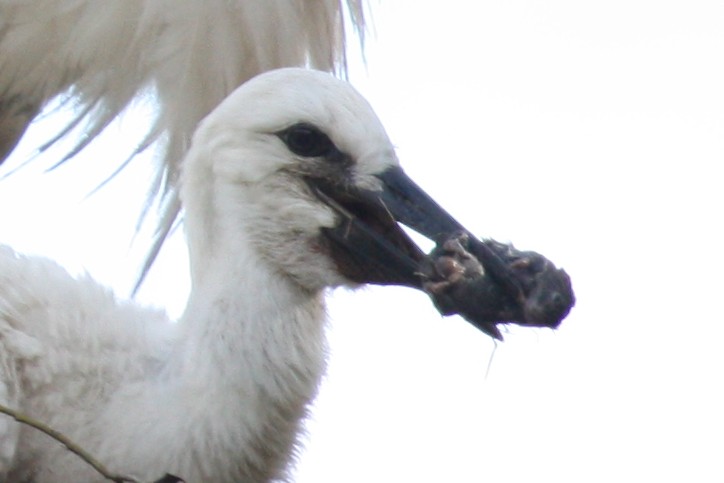
Our local storks, having started their breeding early, are now at a pretty advanced stage. The four chicks are almost fully grown, despite a diet which seems to have been heavy on vegetation rather than juicy frog and rodent. I still don’t know what this lump was, but they had fun with it:

storklump

As they’ve grown, there’s been an increasing amount of stretching:

storkstretch

and flapping:

storkflap

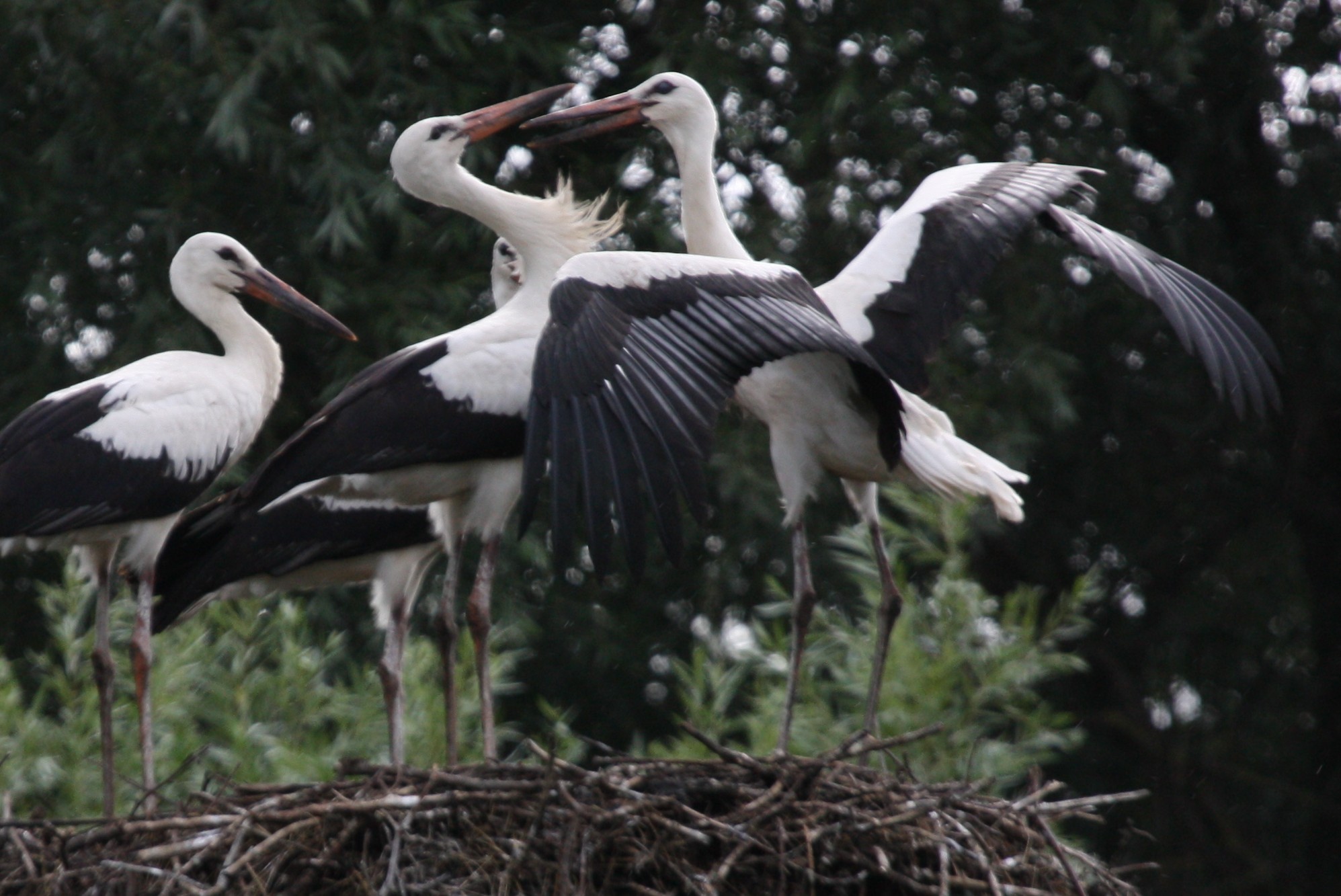
Inevitably, a wing in the face on a hot day can lead to some tension:

storkfight

And this week, one of them finally decided to escape. This might even have been his first flight — he was a truly terrible flier:

storkflight

His eventual landing was safe, if not elegant:

storklanding

storklanding2

All of them still spend most of their time on the nest:

storkline

The parents are as busy as ever; here the mother has just delivered a feed (interestingly, her … business activities have rendered her ring almost illegible):

storkring

So, we may not have these guys very much longer. The other set of parents were much slower off the mark, so they should be around for a while. Only two chicks there, but they’ve been getting some tasty rat:

storkrat

Posted in Nature, Slovakia | 1 Comment