Reading List 11

Only 35 books read this semester, mainly due to two whoppers.

Shakespeare

King John — William Shakespeare
Romeo and Juliet — William Shakespeare

SF/F


The Gold Coast — Kim Stanley Robinson
The State of the Art — Iain M. Banks
The Islanders — Christopher Priest
Summerland — Hannu Rajaniemi
The Well of Lost Plots — Jasper Fforde
2312 — Kim Stanley Robinson
Flow My Tears, The Policeman Said — Philip K. Dick
Deadeye Dick — Kurt Vonnegut
Always Coming Home — Ursula Le Guin
Europe in Autumn — Dave Hutchinson
Enemies of the System — Brian Aldiss
The Sandman Vol. 3: Dream Country — Neil Gaiman

The Islanders: greatest fictional gazeteer ever written?

Literature

A Song of Stone — Iain Banks
Autumn — Ali Smith
Paradise — A. L. Kennedy
Brooklyn — Colm Tóibín
Journey Under the Midnight Sun — Keigo Higashino
This Must Be the Place — Maggie O’Farrell
Thursbitch — Alan Garner
Death of a River Guide — Richard Flanagan
Climbers — M John Harrison
Ansichten eines Clowns — Heinrich Böll
The Poetry of Du Fu — Du Fu
Opened Ground — Seamus Heaney

Pride of place goes to Du Fu’s complete works, translated in six volumes (though admittedly I only read the English versions, not the parallel Chinese). Everything’s in Du Fu: solipsism, compassion, hypochondria, bravery, variety and monotony. In biographical order, his poems are a remarkable experience.

Climbers is probably Harrison’s most “normal” novel, but his similes are still far out:

Smashed black blocks of rock balanced on one another like the remains of some civilisation whose observances grew so monolithic that in the end there was nothing to do but fall back into error, decline, barbarism.

… the neat turf of the Pembroke coastal ranges (where at night artillery fire sounds across St Govan’s Head like doors banging in some row between educated but childish married people).

Algeria

Robert Fisk on Algeria — Robert Fisk
The Barbary Figs — Rashid Boudjedra
About My Mother — Tahar Ben Jelloun

About My Mother is actually Moroccan, not Algerian, but I include it here as it has a very similar portrait of familial dysfunction. Draw your own parallels with Fisk on national dysfunction….

Gutenberg

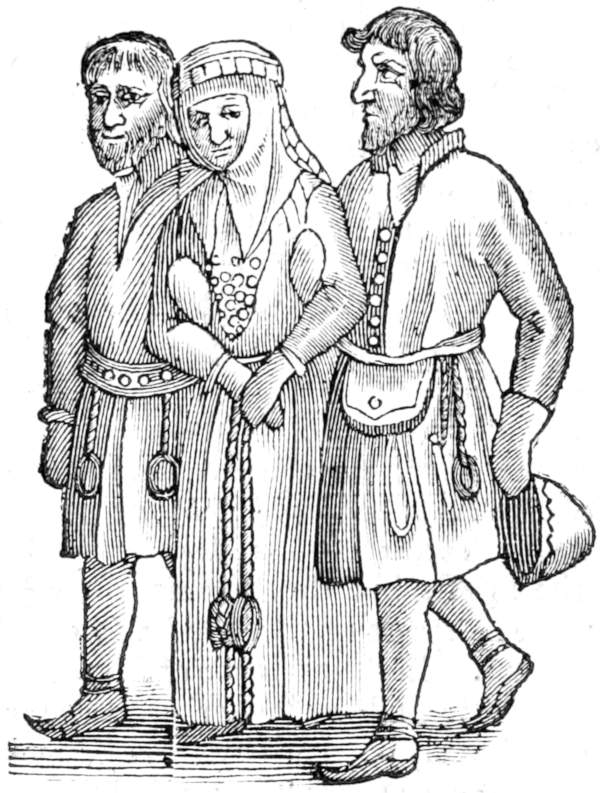
The History of Lapland — John Scheffer

I also spent quite a bit of time reading the endless London Labour and the London Poor, but since it’s not finished it doesn’t count.

Non-fiction

October — China Miéville
Close Encounters of the Furred Kind — Tom Cox
The God Delusion — Richard Dawkins
Begat — David Crystal
King James Bible — Various

As I think Miéville said when we went to hear him, October involved a lot of people going to meetings. Despite that, it gives a good sense of the social background in the months leading up to the revolution. The two companion volumes to the KJV were helpful in drawing out the linguistic and plain weird sides of it, which sometimes intertwine.

I am a brother to dragons, and a companion to owls

The mouth of strange women is a deep pit

the smell of thy nose like apples

naughty figs

Plan for the next six months is essentially non-fiction only. I might finish off The Overstory, which includes a lot of non-fiction, and I’ll also be taking on the Wake. That’s unlikely to be finished in six months, though.
Posted in Books | 1 Comment

Gutenberging: History of Lapland

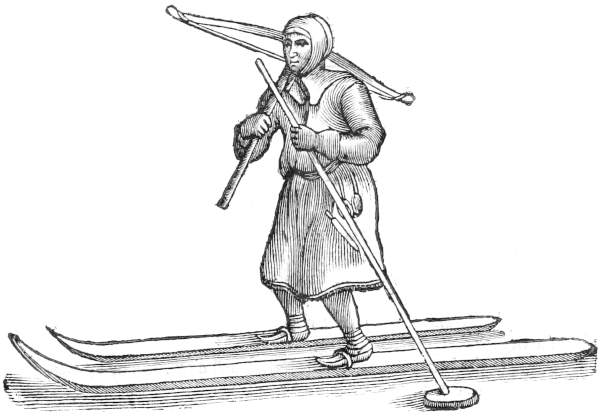
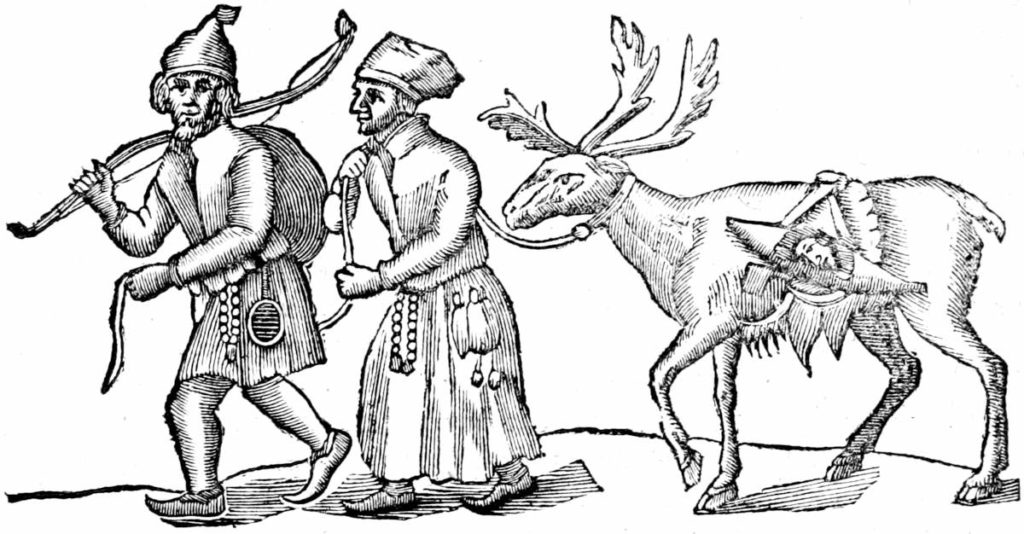
Inspired by this blog post from Jesus College, Oxford, a couple of years ago I started a project on Distributed Proofreaders for A History of Lapland, by John Scheffer, published in 1674. Now it’s finally made its way to Project Gutenberg.

The books starts off in very dry fashion, attempting to disentangle the names of various tribes and regions in different sources, but gets much more interesting once it moves on to the lifestyle of the Laplanders.

During a celebration, for example:

Now they who by reason of the scantiness of room in the hut, cannot be admitted to the feast, such are boies and girles, climb up to the roof of the hut, and from thence let down threds with hooks tied to them, to which they fasten pieces of meat, and the like, so that they also enjoy their share of the banquet.

There’s much space given to the use of drums in divination, and eccentricities such as the use of skis for locomotion:

Another point of emphasis is the importance of the reindeer both for transport and for food, here carrying a swaddled child:

Wedding ceremonies were also remarkable:

the Bride like one strugling against it, and endeavoring the contrary, is dragged along by the man and woman that are to wait upon her, and would seem to admit of her marriage with great unwillingness and reluctancy, and therefore in her countenance makes shew of extraordinary sadness and dejection

Thanks to all those proofreaders who helped with this one, especially for their work in figuring out the long ſ letters!

Posted in Books, Uncategorized | 1 Comment

Oran 2 (21/30): Fluff

Posted in Oran, Pets | 1 Comment

Oran 2 (20/30): Hero

Posted in Uncategorized | Comments Off on Oran 2 (20/30): Hero

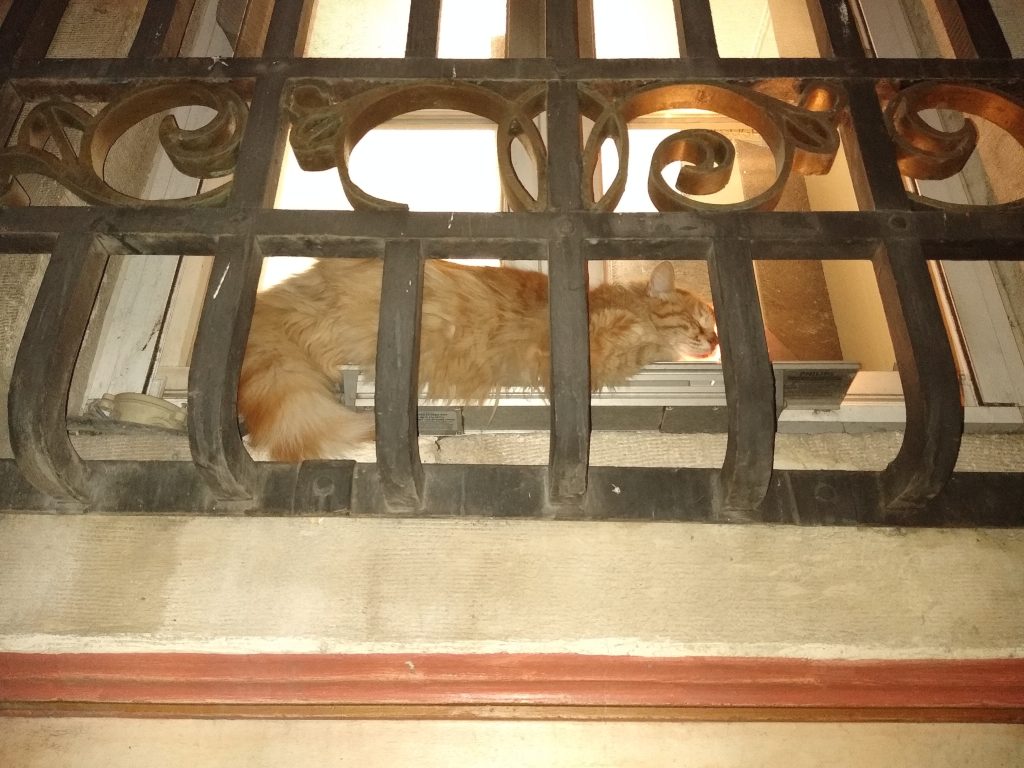
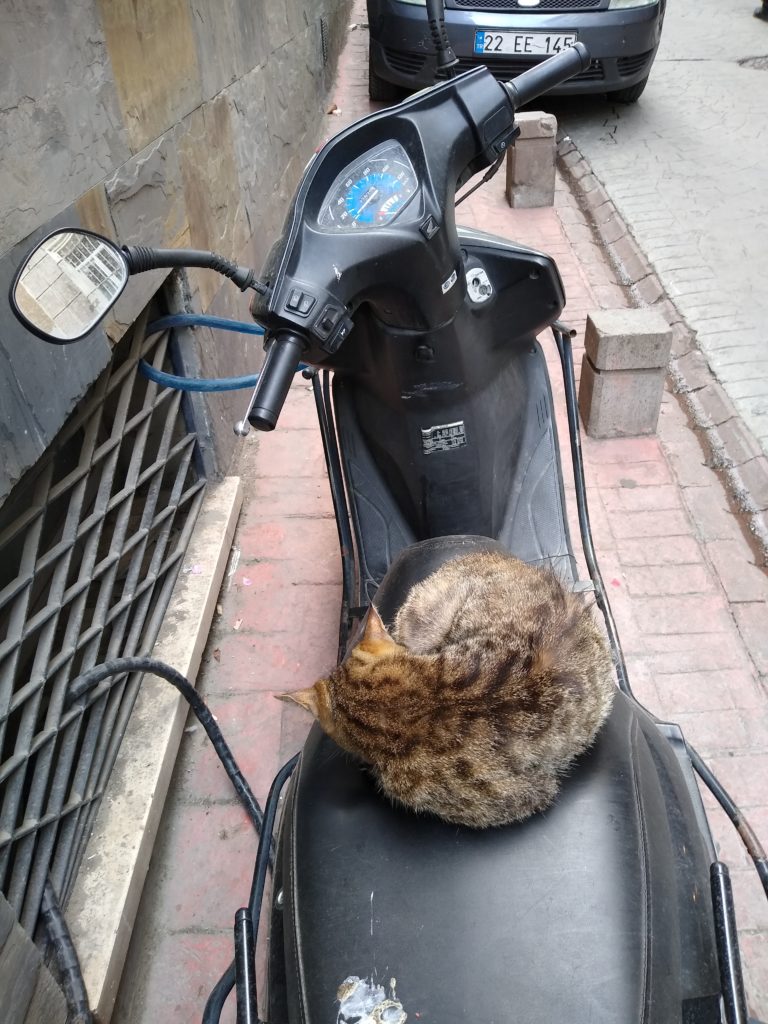
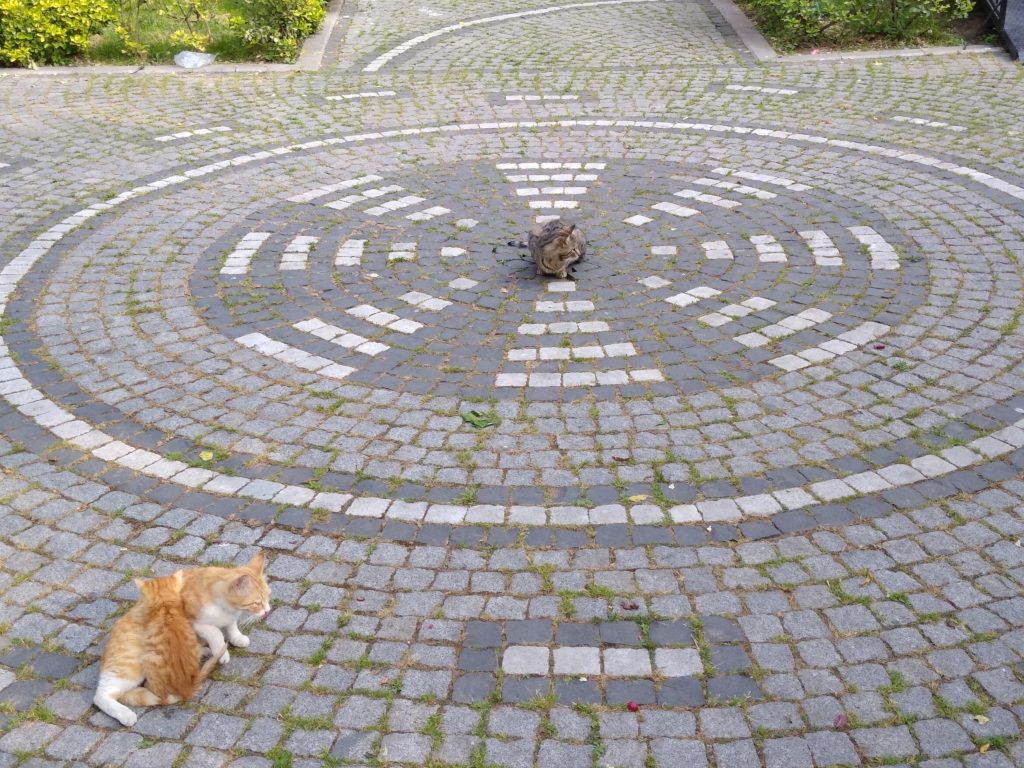
Cats of Constantinople

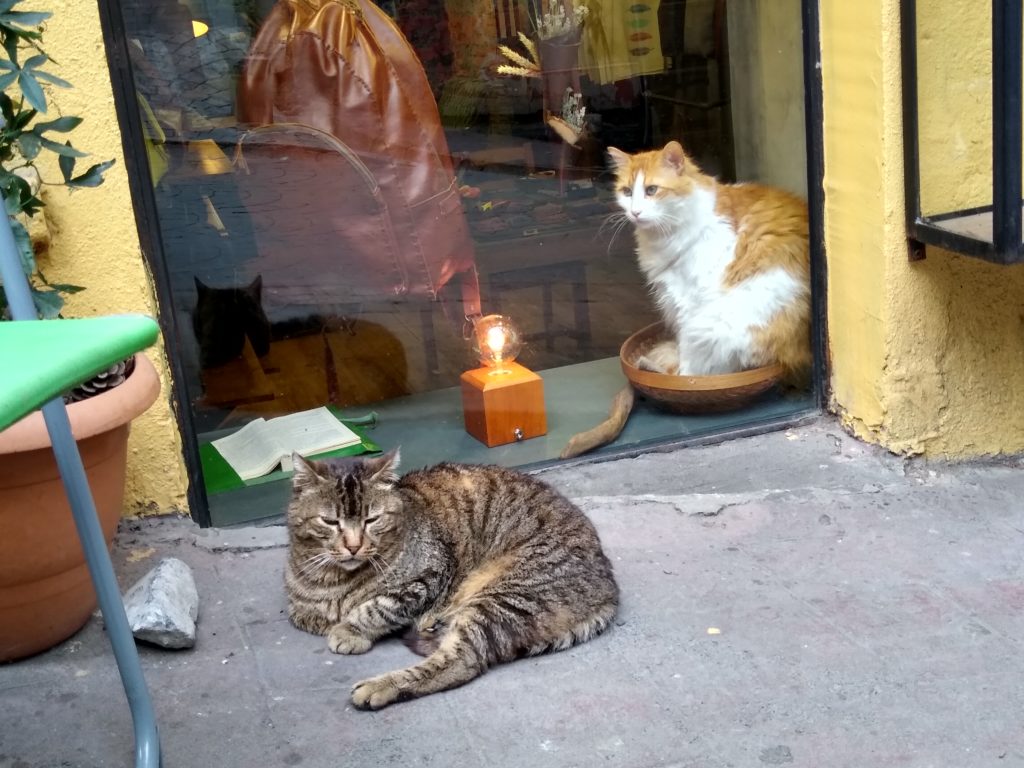
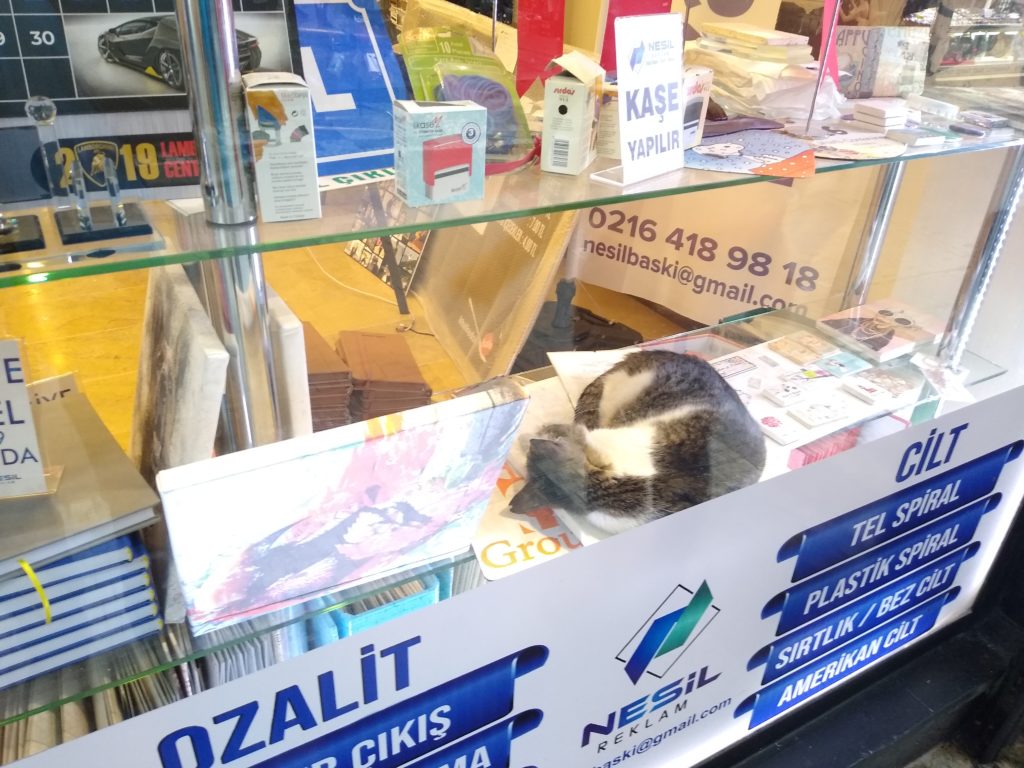
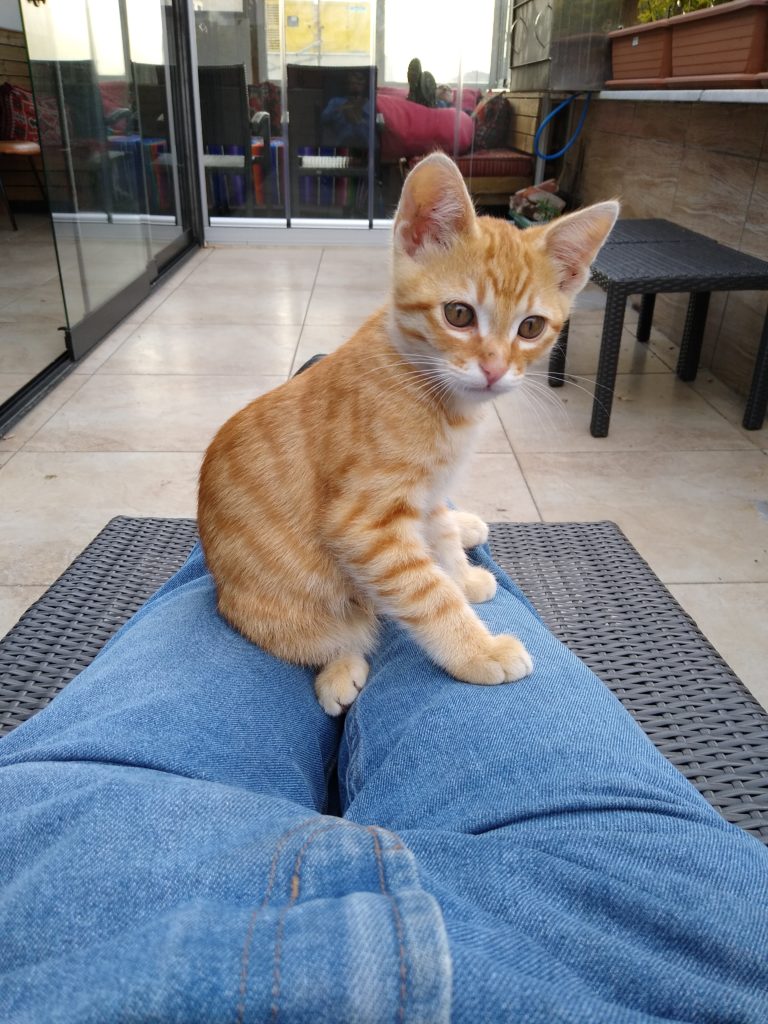
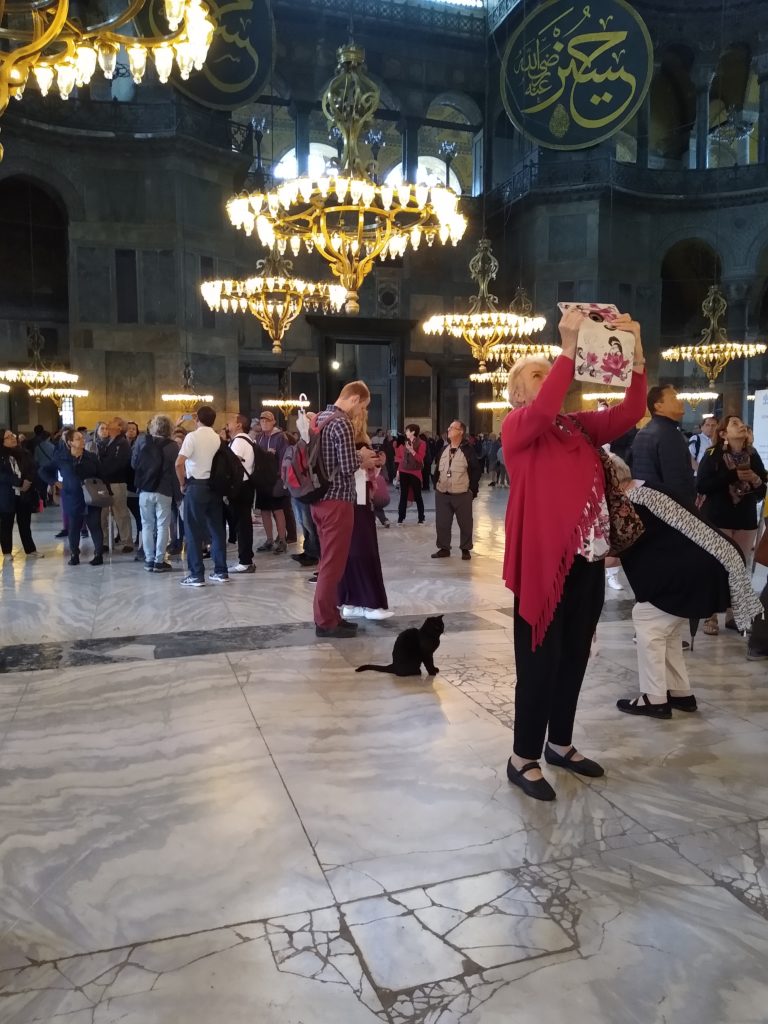
Like many Mediterranean places, Turkey turns out to be quite the cat country. Unlike in some areas, however, they seem to enjoy a good balance between being well looked-after and exercising their freedom.

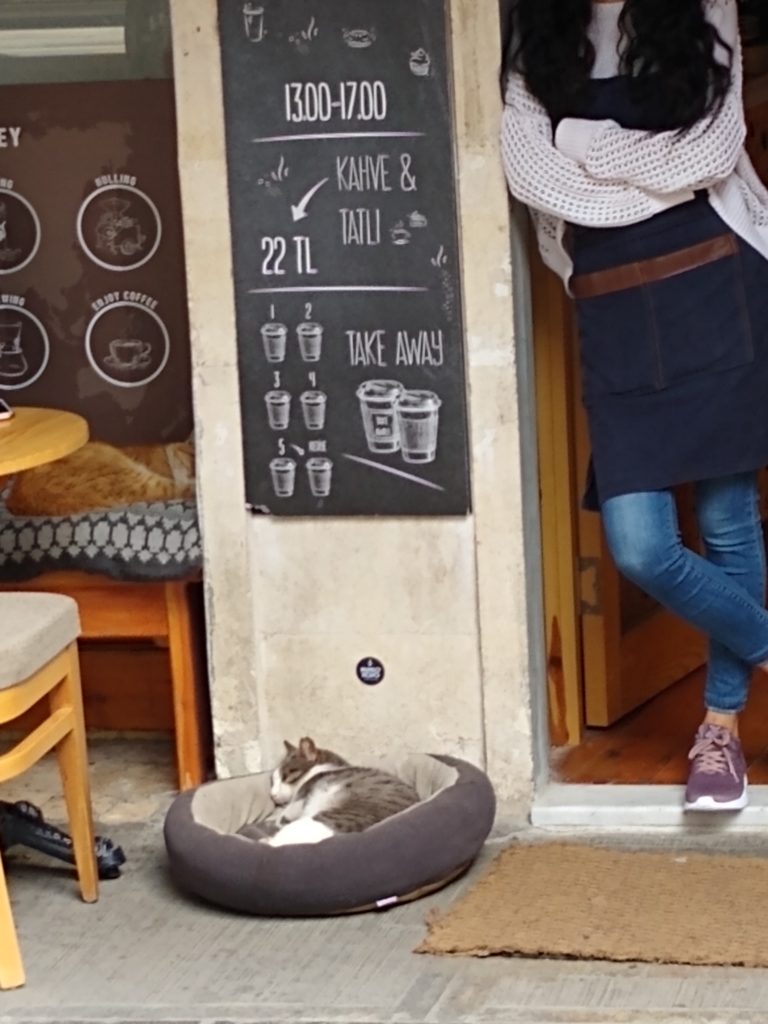
There are cats in cafes:

Cats in shops:

Cats in hotels:

Cats in the Hagia Sophia:

Cats on lights:

And cats on bikes:

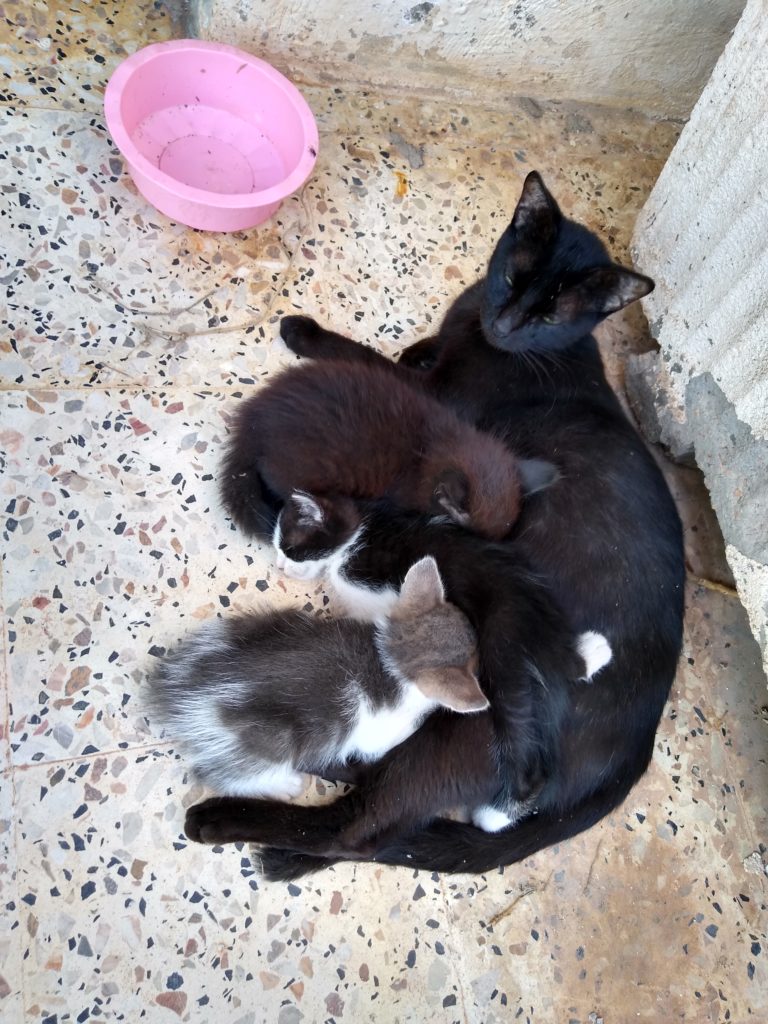
The streets are full of feeding and watering stations, which seem to be maintained by both individuals and businesses. When it’s milk o’clock though, only mum will do:

Posted in Travel, Turkey | 1 Comment

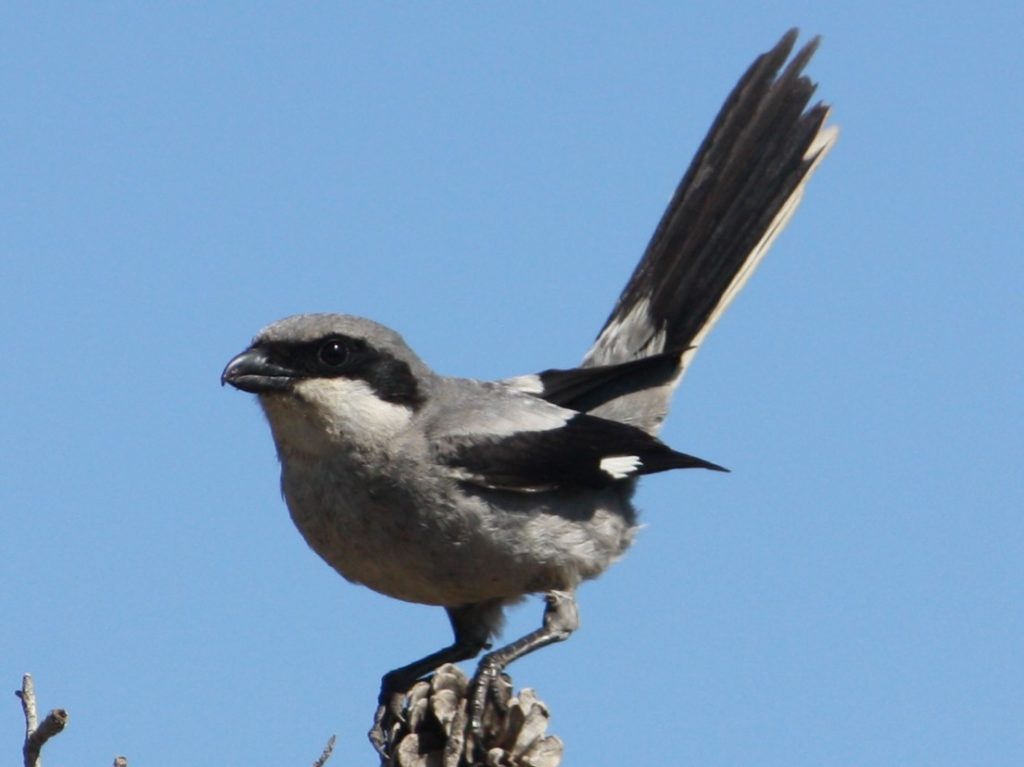
Oran 2 (19/30): Shrike

Posted in Nature, Oran | 2 Comments

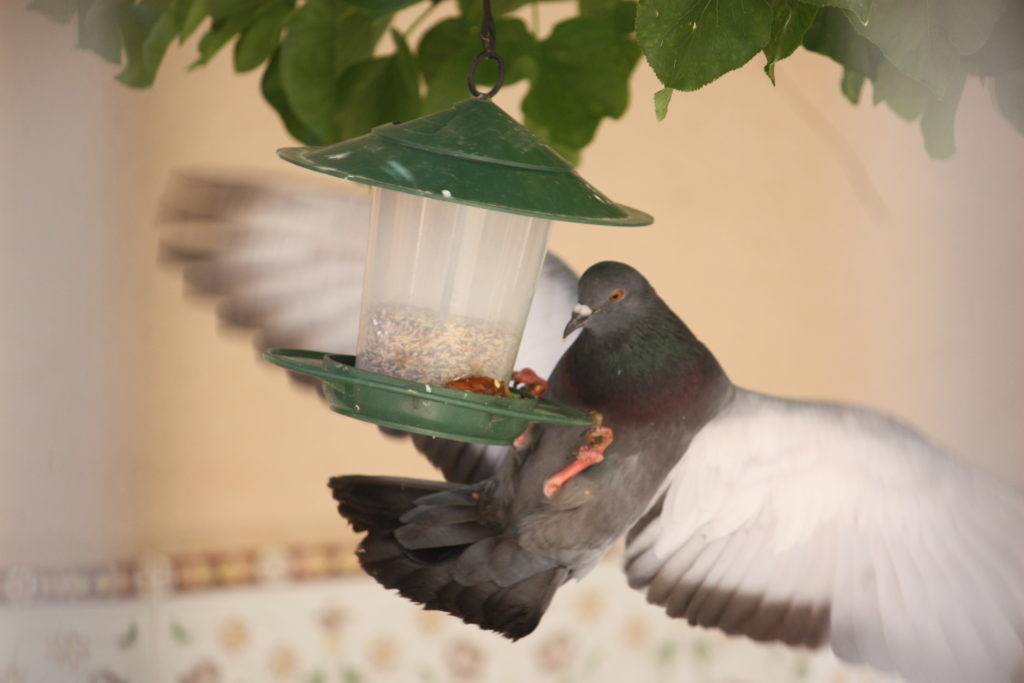
Oran 2 (18/30): Pigeon feeder

Posted in Nature, Oran | 2 Comments

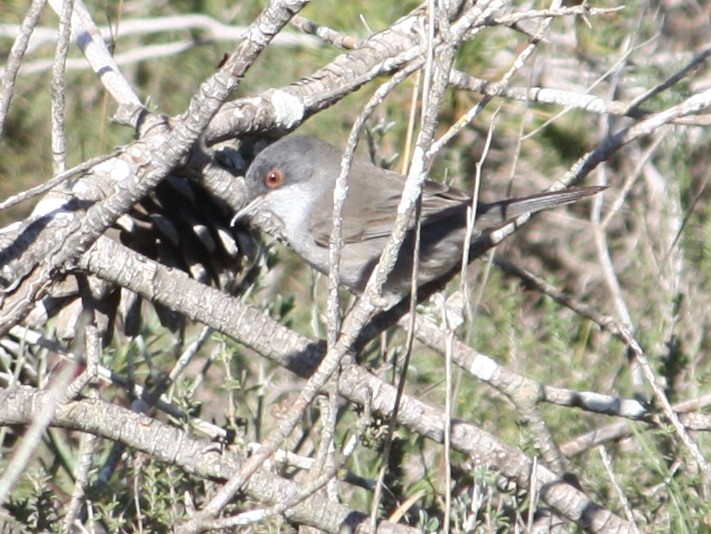
Oran 2 (17/30): Sardinian Warbler

Posted in Nature, Oran | Comments Off on Oran 2 (17/30): Sardinian Warbler

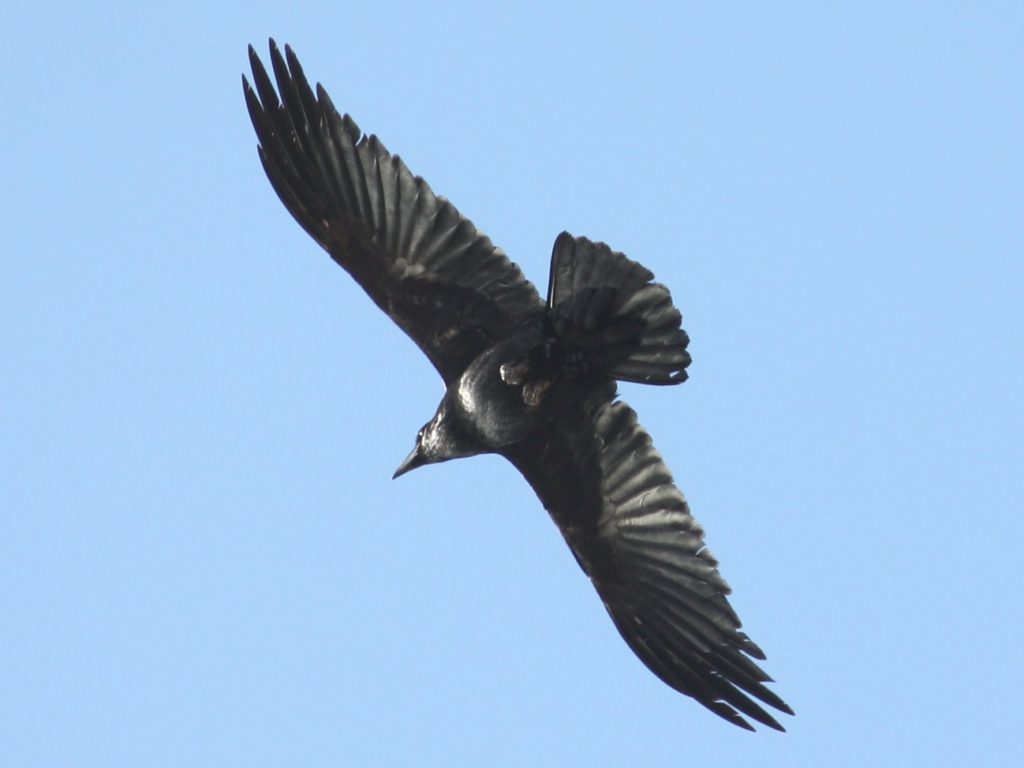
Oran 2 (16/30): Raven

Posted in Nature, Oran, Uncategorized | 1 Comment

Reading List 10

35 books completed again this term, making a neat 70 for the year.

George Eliot

Adam Bede — George Eliot
The Mill on the Floss — George Eliot
Silas Marner — George Eliot
Romola — George Eliot
Felix Holt, the Radical — George Eliot
Middlemarch — George Eliot
Daniel Deronda — George Eliot

The genius of animal similes: “hardly more in need of salvation than a squirrel”.

And so wise: “he was not unmixedly adorable. He suspected this, however, as he suspected other things, without confessing it, and like the rest of us, felt how soothing it would have been to have a companion who would never find it out.”

Shakespeare

A Midsummer Night’s Dream — William Shakespeare

The Shakespeare read-through continues at a stately pace.

Algeria

Harraga — Boualem Sansal
The Last Summer of Reason — Tahar Djaout
The Fall — Albert Camus

Harraga was great fun. Not great literature, but amusing and perceptive about … local issues.

Gutenberging

The Heart of England — Edward Thomas
The World’s Illusion — Jacob Wassermann
In Pursuit of Spring — Edward Thomas

More enjoyable books from Edward Thomas this time, though he does tend to repeat himself. In Pursuit of Spring mentions rookeries 19 times, and tells us of 15 different chiffchaffs. Wassermann was very highly wrought.

Other Literature

The Magic Flute — Alan Spence
Moon Tiger — Penelope Lively
Canal Dreams — Iain Banks
A Death in the Family — Karl Ove Knausgaard
The Sense of an Ending — Julian Barnes
Day — A. L. Kennedy
MaddAddam — Margaret Atwood
The Four Books — Yan Lianke

Knausgaard was brilliant — so good I could almost overlook the comma splices. The Four Books — terrifying and funny, as were (in slightly different ways) The Sense of an Ending and Day. I was very glad to put the MaddAddam trilogy behind me.

SF/F

The Eyre Affair — Jasper Fforde
Lost in a Good Book — Jasper Fforde
City of Saints and Madmen — Jeff Vandermeer
The Player of Games — Iain M. Banks
The Quiet Woman — Christopher Priest
Gifts — Ursula Le Guin
The Owl Service — Alan Garner
A Tale of Time City — Diana Wynne Jones
The Sandman Volume 2 — Neil Gaiman
Escape Plans — Gwyneth Jones
Anima — M. John Harrison

Christopher Priest and M. John Harrison are both masters of the non sequitur: Priest in his whole plots, and Harrison in his descriptions and dialogue:

She craned her neck to stare at the other passengers — men with the soft brown eyes, dark moustaches and apologetic gazes of drunks….

‘Are those Hungarians?’

‘No’, I said.

I was enjoying it less than Isobel…. I had flown before, in aircraft which did not have such obvious rivets.

‘They’re people who’ve just failed job interviews in Bolton.’

Non-fiction

By Hook or by Crook — David Crystal
Essays — Wallace Shawn

Next semester: all of Du Fu (in a recent complete translation by Stephen Owen, bizarrely made available absolutely free here). Generally fewer and bigger books — I’ve started Alan Moore’s spectacular Jerusalem, and I need to read some poems. I might even get round to those Germans.

Posted in Books | 1 Comment